Your regular customer orders the same latte every morning, but their paper punch card is somewhere at the bottom of a bag. They've started replacement cards, forgotten those too, and never collected the free drink. The problem isn't their loyalty. It's a reward system that's easy to forget.
You're left with an awkward choice at checkout. Give them credit without a record, or explain why their regular purchases don't count. Neither makes your customer or your staff feel good.
A better program makes the exchange obvious: buy something, see your progress, collect a reward worth returning for. That might mean points, digital stamps, booking privileges, or a benefit for bringing a friend. It doesn't have to mean building an app or discounting everything you sell.
The examples of customer reward programs below range from global brands to straightforward systems a café, salon, or gym can operate. The useful part isn't the size of the brand. It's the mechanic you can copy without copying its complexity.
Before choosing, keep a specific customer purchase in mind. A takeaway coffee, a colour appointment, and a gym renewal involve different spending patterns. Your earning rule and reward should fit that purchase, not force customers to change how they normally shop.
Table of Contents
- 1. Starbucks Rewards
- 2. Sephora Beauty Insider
- 3. Tesco Clubcard
- 4. Nike Membership
- 5. Dropbox Referral Program
- 6. Digital Stamp Card (Buy-X-Get-One-Free Model)
- 7. Birthday and Milestone Rewards
- 8. Paid Membership with Perks
- How the Eight Customer Reward Program Models Compare
- Pick One Model and Test It This Quarter
1. Starbucks Rewards
Starbucks Rewards uses points, called Stars, to connect eligible purchases with redeemable benefits. Members collect Stars and exchange them for rewards such as drinks and food. The practical lesson for an independent café is visible progress toward something customers already buy.
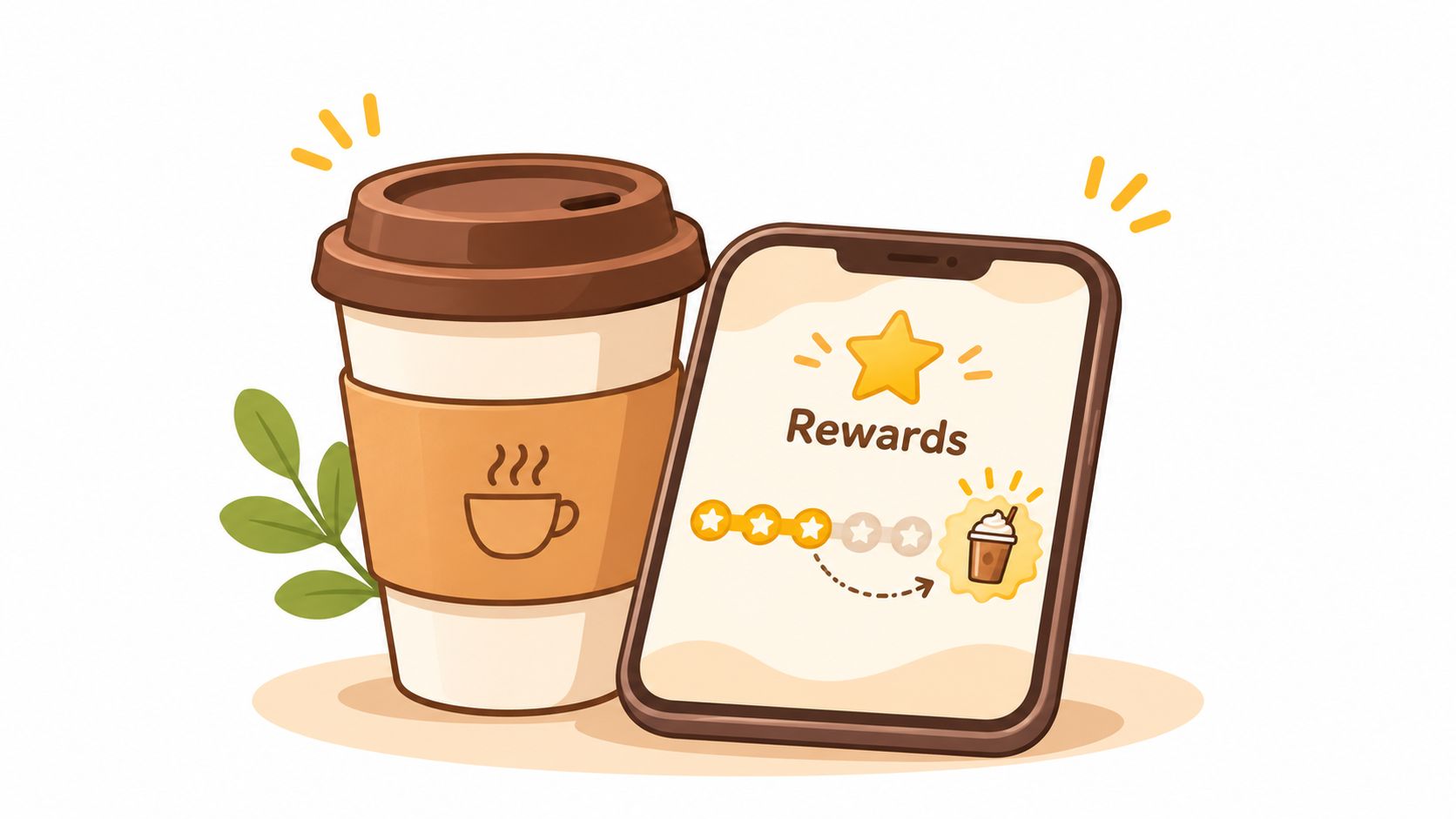
Points suit a café where customers spend differently. Someone buying lunch and drinks can earn more than someone buying an espresso, without staff maintaining separate cards. The trade-off is explanation: customers need to understand both how they earn and what their balance buys.
Build the café version
Start with an eligible-spend rule and a clearly named reward. Say a café awards points on drinks and food, then lets customers exchange their balance for a standard drink. Display the earning rule, reward threshold, and exclusions together.
- Define the free item. Specify the included size and whether extras cost more.
- Explain qualifying spending. Decide how refunds, gift cards, and discounted purchases affect points.
- Show progress. Put the current balance and next available reward somewhere customers can retrieve easily.
- Practise redemption. Have staff complete a test purchase and reward exchange before launch.
Don't copy every campaign, bonus, or engagement feature a large chain runs. Each exception creates another question at the till, particularly when a customer expects an upgrade that isn't included.
Practical rule: If a cashier can't explain the earning rule and first reward while taking an order, simplify them.
Choose points when rewarding spend matters. If nearly every order has a similar value, stamps may give customers the same motivation with less arithmetic.
2. Sephora Beauty Insider
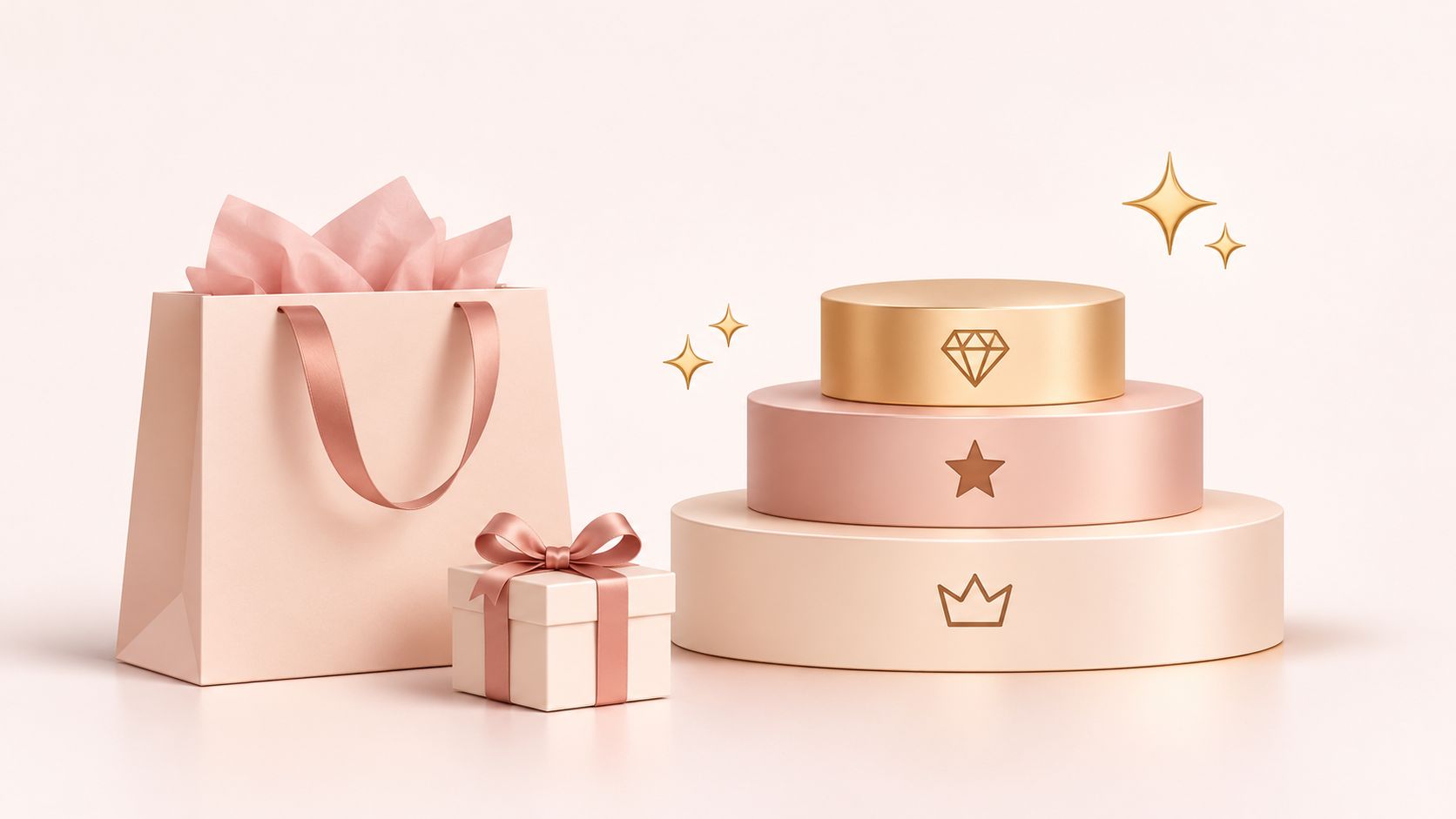
A salon can recognise a regular customer without reducing the price of every appointment. Sephora Beauty Insider illustrates the combination of points and membership tiers, with rewards and benefits that extend beyond straightforward discounts.
The transferable idea is progression. Customers receive an accessible starting benefit, while more committed customers can qualify for additional privileges. For a salon, those privileges might include access to newly released appointments or a treatment add-on.
Make status useful, not decorative
Say a salon creates an entry membership and an upgraded regular-client status. Customers qualify through completed, paid appointments during a published qualification period. The salon shows their progress and explains exactly when status starts and ends.
Choose the qualifying behaviour carefully. Appointment count recognises consistency, but it treats a quick trim like a lengthy colour service. Eligible spending reflects commercial value more closely, though customers may find it less intuitive.
Before launching, settle these decisions:
- Qualification. Use completed visits or eligible spending, rather than a mixture staff must calculate manually.
- Benefits. Offer something customers request, such as a suitable conditioning add-on.
- Capacity. Confirm the team can deliver the perk without delaying paid appointments.
- Renewal. Explain whether customers retain status indefinitely or must qualify again.
A tier name isn't a benefit. Nor is priority booking helpful if customers can never find an available appointment.
Keep an attainable reward available before customers qualify for upgraded status. Otherwise, occasional clients may see the program as something intended only for your biggest spenders. Reward regulars without making everyone else feel overlooked.
3. Tesco Clubcard
Tesco Clubcard combines points and vouchers with purchase-based offers. Customers earn through shopping, then receive rewards they can use on later purchases. The important distinction is that the retailer can connect an offer to what someone buys.
Historical reporting by HuffPost describes voucher redemption exceeding 30%, compared with an industry average of roughly 1–2%. That comparison belongs to Clubcard's historical context, not a forecast for an independent shop.
Copy the relevance, not the scale
Say an independent grocery store notices that a customer regularly buys ground coffee. A relevant voucher could encourage them to try a complementary product, rather than discounting an unrelated category. Their purchase history supplies the context without requiring a lengthy personal profile.
Build the basic points program before adding targeted offers. Set an earning rule, a voucher threshold, and a redemption process staff can apply consistently. Then test a purchase-based offer against a comparable group that doesn't receive it.
A redeemed voucher proves someone used an offer. It doesn't prove the offer caused an additional purchase.
That distinction matters because a promotion can reduce the price of shopping that would have happened anyway. Track whether recipients return sooner, buy something additional, or generate more contribution after the reward cost.
Give customers control over marketing preferences. Explain what purchase information you retain and how you use it. Staff should only access customer information needed for their work.
An independent retailer doesn't need supermarket-scale analysis. A reliable purchase record, a relevant offer, and a sensible comparison are enough to begin learning which rewards deserve another run.
4. Nike Membership
Nike Membership demonstrates a perks-based model rather than a simple collect-and-redeem scheme. Member access, product-related benefits, and experiences can make participation useful without assigning points to every action.
For a fitness studio, the equivalent isn't exclusive trainers. It's access that solves a genuine customer problem, such as booking a newly introduced class before general reservations open. Free membership lowers the joining barrier, but the benefit still needs to justify the signup.
Run a useful access program
Say a studio introduces a member pass with advance booking for new workshops. Staff verify membership before accepting an early reservation, then release the remaining places to other customers when the general booking window opens.
The setup needs operational rules, not just an attractive pass:
- Define access. State which classes, workshops, or events qualify.
- Publish the booking window. Make the opening and closing times visible before customers join.
- Manage cancellations. Apply a clear cancellation policy so unused reservations don't block attendance.
- Protect general availability. Decide how much capacity remains accessible to nonmembers.
Early access has a cost even when there's no discount. If regular nonmembers can never book popular sessions, you've shifted inconvenience onto another customer group. Monitor availability and complaints alongside member participation.
A wallet pass can make membership easy to present, but it shouldn't become a substitute for delivering the benefit. Staff still need a reliable way to recognise eligibility and honour reservations.
This model fits a gym with desirable classes or a retailer with limited releases. It's less useful for a business with ample availability and no meaningful member-only experience. Don't manufacture scarcity just to create a perk.
5. Dropbox Referral Program
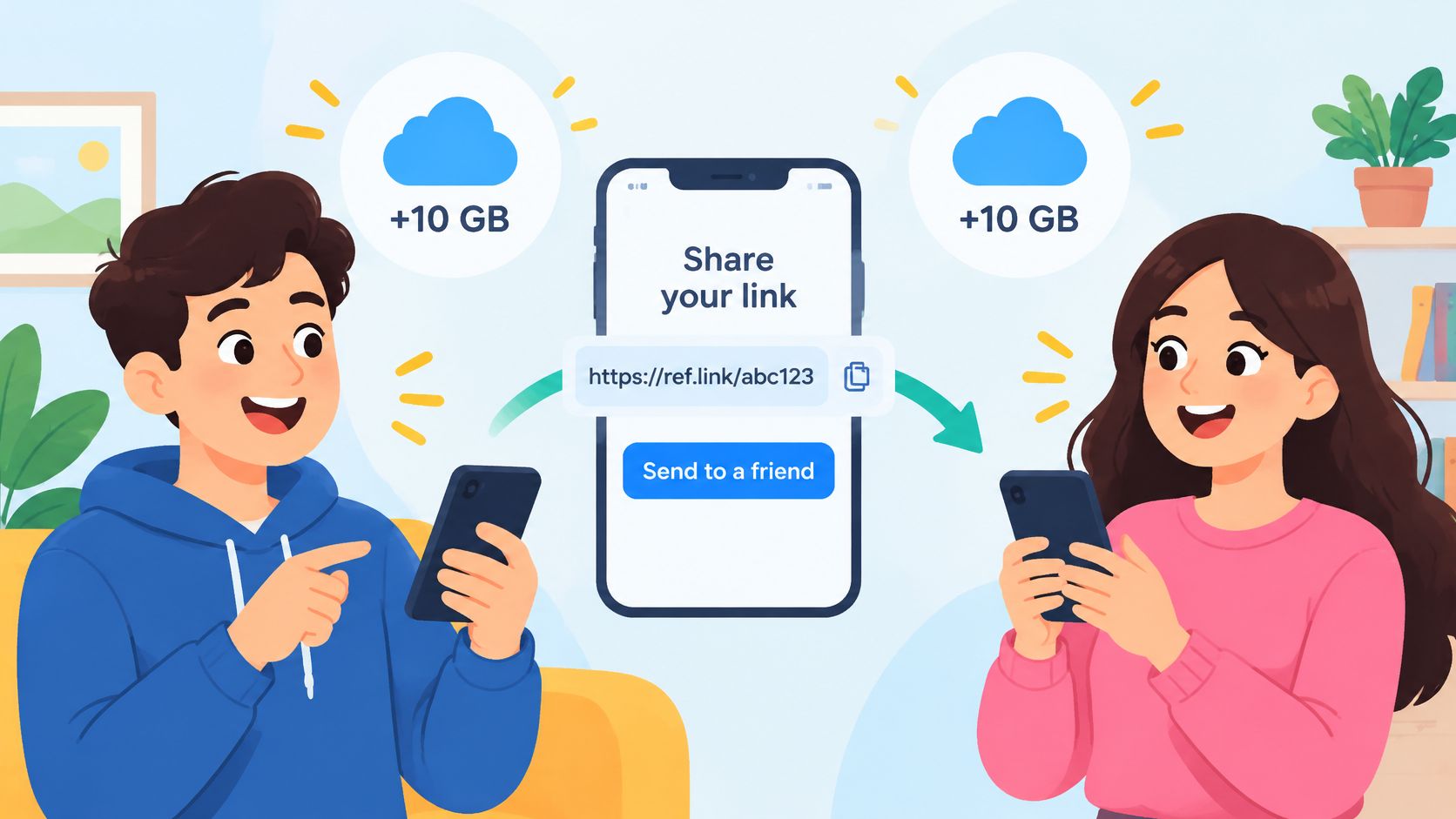
Dropbox's referral program rewards customers for introducing people who complete qualifying signup and activation steps. Both the existing user and the newcomer receive additional storage, connecting the reward to the product they're already using.
The small-business equivalent is a completed referral, not merely a shared invitation. A bakery can reward a customer for bringing in a new paying customer, while also giving that newcomer a reason to try the business.
Reward a completed purchase
Say a tea shop offers a pastry benefit to the referrer and their friend after the friend completes an eligible first purchase. The invitation explains the qualifying purchase and reward before either person commits.
Record who made the introduction, then release the referrer's reward only after staff verify the purchase. If the purchase is refunded, apply the reversal rule you published at signup.
For practical customer referral programs, settle the awkward cases early:
- New-customer eligibility. Explain whether former customers qualify.
- Attribution. Decide how staff record an introduction before payment.
- Self-referrals. Prohibit customers from referring themselves through another account.
- Reward stacking. State whether referral benefits combine with other offers.
Don't judge the program by invitations sent. Follow referred customers through their first purchase and subsequent visits, and compare the contribution they generate with the cost of both rewards.
A generous welcome gift can attract someone who never returns. The better test is whether referred customers become worthwhile repeat customers. Start with a benefit you can afford to deliver even if the newcomer makes no further purchase, then evaluate retention before expanding the offer.
6. Digital Stamp Card (Buy-X-Get-One-Free Model)
A digital stamp card replaces paper punches with progress stored on a customer's phone. Customers earn stamps for qualifying purchases and exchange a completed card for the stated reward. There's no points conversion to explain.
This demonstration shows the phone-based stamp-card workflow.
A bakery could award a stamp for each qualifying checkout, with a standard pastry as the completed-card reward. A café might instead base eligibility on a drink purchase. Those rules aren't interchangeable: a visit-based scheme recognises frequency, while an item-based scheme recognises qualifying units purchased.
Set a reachable threshold
Choose the earning unit before choosing the card length. Use your customers' normal visit pattern to estimate how long completion will take, then check whether the reward remains affordable if customers redeem consistently.
The discussion of everyday and aspirational rewards in Customer Experience Dive identifies insufficient value and difficult earning or redemption as shortcomings. For a small shop, that means a distant free item isn't automatically more motivating than an attainable modest benefit.
When evaluating a digital stamp card, write down:
- Earning unit. A qualifying checkout, visit, or item purchase.
- Reward scope. The included item and any excluded upgrades.
- Completion time. How long a typical participating customer would need.
- Redemption treatment. Whether a reward-only transaction earns another stamp.
Don't rely on forgotten rewards to make the economics work. Unredeemed benefits, often called breakage, may reduce immediate cost, but excessive nonredemption can also mean customers don't find the program useful.
Keep the checkout process short. Staff should verify eligibility, add the stamp, and explain the remaining progress without holding up the queue.
7. Birthday and Milestone Rewards
A birthday reward recognises a date. A milestone reward recognises something the customer has done, such as completing a membership anniversary or reaching a repeat-visit target. Both work best as appreciation, not disguised pressure to spend.
Say a salon offers an optional birthday-month conditioning add-on alongside a booked service. A gym could recognise a membership anniversary with a coached technique review. In either case, include the booking requirement in the original message.
Personalise without overcollecting
Ask whether you need birthday information at all. Purchase milestones can support a relevant reward without collecting another personal detail. If you offer birthday benefits, make participation optional and avoid requesting a birth year when the reward doesn't require it.
In LoyaltyLion's 2025 consumer study, only 58% of respondents agreed that data shared through loyalty programs was used responsibly. The practical response is a clear explanation of what you collect, why you need it, and who can access it.
Use these rules when planning surprise-and-delight rewards:
- Select a meaningful trigger. Choose a membership anniversary, completed-visit milestone, or voluntarily supplied birthday.
- Match delivery to capacity. Offer an add-on your team can provide without disrupting the appointment book.
- Explain conditions upfront. Include booking requirements, availability, and the redemption window.
- Respect customer choices. Keep marketing preferences separate from basic reward administration.
Recognition shouldn't require customers to disclose more than the benefit reasonably needs.
Avoid using sensitive assumptions to personalise an offer. A gym shouldn't infer someone's health goals from appearance, and a salon shouldn't expose private treatment preferences in a public checkout conversation. Use information the customer knowingly provides or an ordinary purchase milestone.
8. Paid Membership with Perks
Paid memberships exchange a recurring fee for ongoing benefits. Amazon Prime combines delivery and entertainment benefits, while Costco charges for membership access to its warehouse-shopping model. The transferable lesson is an explicit value exchange, not the size of either business.
Charging a fee doesn't automatically create loyalty. It creates an obligation to deliver useful benefits reliably, including when members use them more heavily than you expected.
Price for actual usage
Say a gym adds an optional benefits membership covering guest access and eligible workshops. Before selling it, the owner should calculate the staffing, capacity, administration, and delivery costs attached to those benefits.
Use contribution rather than headline revenue. Subtract the costs created by member usage, including any bookings that displace full-price customers. Test the economics under ordinary usage and under a heavier-use scenario.
- Define entitlements. State exactly what members receive and what remains chargeable.
- Limit capacity. Explain booking restrictions before taking payment.
- Clarify billing. Make renewal, cancellation, and trial conversion terms easy to find.
- Track benefit usage. Watch for both overcrowding and members who never find a useful perk.
A trial can help customers judge the offer, provided the conversion terms are clear. It shouldn't depend on customers forgetting to cancel.
Paid perks suit businesses with dependable, repeatable benefits. They're harder to operate when every redemption needs substantial labour or scarce appointment time. A salon offering unlimited labour-intensive add-ons may create a scheduling problem even if membership receipts initially look attractive.
Don't launch a paid scheme to compensate for weak demand. First identify a benefit customers already value, confirm that you can deliver it, and price the membership against realistic usage.
How the Eight Customer Reward Program Models Compare
| Program | Reward Model | Core Mechanic | Best Small-Business Fit |
|---|---|---|---|
| Starbucks Rewards | Points and tier-based perks | Earn Stars on purchases and redeem them for rewards | Cafes seeking to encourage frequent visits with a simple points program |
| Sephora Beauty Insider | Points, tiers, gifts, and exclusive experiences | Earn points and unlock benefits based on annual spending | Salons or spas offering repeat-visit perks, birthday rewards, or early access |
| Tesco Clubcard | Purchase points converted into vouchers | Earn points on routine shopping and receive personalized offers | Independent grocers using clear voucher thresholds and relevant promotions |
| Nike Membership | Free access to exclusive products, offers, and events | Join for personalized experiences and member-only access | Fitness studios offering free membership and early class booking |
| Dropbox Referral Program | Two-sided referral rewards | Both parties receive a benefit when a referral becomes active | Local shops rewarding both customers after a referred friend's first purchase |
| Digital Stamp Card (Buy-X-Get-One-Free Model) | Free item or discount after a set number of stamps | Add a stamp for each qualifying visit or purchase | Cafes, bakeries, and service businesses seeking a simple repeat-visit program |
| Birthday and Milestone Rewards | Small personalized gifts or offers | Trigger rewards on special dates or visit milestones | Salons, gyms, and other businesses with repeat customers |
| Paid Membership with Perks | Recurring fee for exclusive benefits | Members pay for perks such as discounts, priority service, or delivery | Gyms and other businesses with valuable, frequently used member benefits |
Pick One Model and Test It This Quarter
Start with how customers buy, not which brand has the most elaborate program. Frequent purchases with similar values suit stamps. Varied baskets and higher-value orders are better candidates for points, while access-based benefits need something customers want to reserve or experience.
Purchase frequency determines how quickly progress should feel meaningful. Coffee buyers may return often enough to complete a card quickly. Haircut clients usually need a longer earning horizon, so don't copy a café threshold and expect the same response.
Write the rules before issuing rewards
Keep the initial offer narrow: a clear earning rule, an attainable threshold, a defined reward, and a straightforward reminder. Give staff the same written explanation customers see.
Use a small planning worksheet:
- Earning threshold. Describe what the customer must buy or complete.
- Reward cost. Record product cost, added labour, and any displaced paid sale.
- Outstanding rewards. Track earned but unused benefits and budget for redemption.
- Expiry policy. Explain any deadline prominently before customers start earning.
- Maximum exposure. Define stacking rules, upgrade exclusions, and any discount cap.
Then test the checkout workflow, including a refund, a forgotten pass, and a completed reward. Fix ambiguous rules before staff have to improvise them in front of customers.
Measure additional business, not just activity
Enrollment and redemption are useful operating measures, but neither establishes profitability. Compare participating customers with a comparable group, and follow behaviour after customers collect their reward.
A national dollar-chain campaign described by Fetch produced a 17.5% incremental sales lift during a campaign across two states. The useful lesson is its measurement approach, including whether customers kept visiting after reaching the redemption limit.
Testing also matters after launch. A restaurant case study from Mastercard describes campaigns moving from negative to positive ROI within six months through systematic A/B/n testing. Treat reward value, audience, message, and timing as decisions to test, not permanent settings.
For a simple phone-managed launch, Loyal Customer supports points programs and digital stamp cards with branded Apple Wallet and Google Wallet passes. Customers don't need a separate app, and merchants don't need dedicated hardware.
Choose the simplest mechanic that rewards the behaviour you want. Publish the rules, train the team, and review whether customers return profitably after redeeming. Add complexity only when the results justify it.
Loyal Customer lets you run a points program or digital stamp card from your phone and create branded passes for Apple Wallet and Google Wallet. Visit Loyal Customer to try setting up the earning rule and reward that fit your business before introducing the program at checkout.