A client books a root touch-up and gloss every six weeks like clockwork. One Saturday, the chair runs fifteen minutes behind, checkout feels rushed, and nobody suggests her next date. Six weeks pass, then ten, and by the time she remembers to call, she's already sitting in another studio's chair. A blanket coupon won't fix that leak, because discounts reward bargain hunters without giving regulars a structured reason to commit before they leave.
Strong beauty salon loyalty card ideas turn normal appointment rhythms into habits clients don't want to break. Consumers already know how these systems work. A 2024 CouponBirds compilation of loyalty program statistics found that 94.3% of people belonged to at least one customer loyalty program, and health and beauty ranked as the most popular category with 37.4% of respondents enrolled. You don't have to educate clients on how stamps or points operate; you just need a reward they can reach without friction.
The catch is operational follow-through. Even the cleanest reward structure stalls if your front desk forgets to log visits or your calendar lacks automated reminders. Pairing your pass with one of the best spa scheduling platforms 2026 keeps rebooking prompts and visit tracking connected. Below are eight practical loyalty card formats built around specific service mixes, showing the reward trigger, the actual margin trade-off, and the exact checkout setup you can put live this week.
Table of Contents
- 1. Digital Stamp Card (Every-Nth-Visit Reward)
- 2. Spend-Based Points and Retail Rewards
- 3. Tiered VIP Membership
- 4. Referral Rewards Program
- 5. Service-Specific Bundle Card
- 6. Birthday and Milestone Rewards
- 7. Prepaid Store Credit with Bonus Top-Up
- 8. Review and Social Engagement Rewards
- How the 8 Beauty Salon Loyalty Card Ideas Compare
- Choose One Reward This Month and Build From There
1. Digital Stamp Card (Every-Nth-Visit Reward)
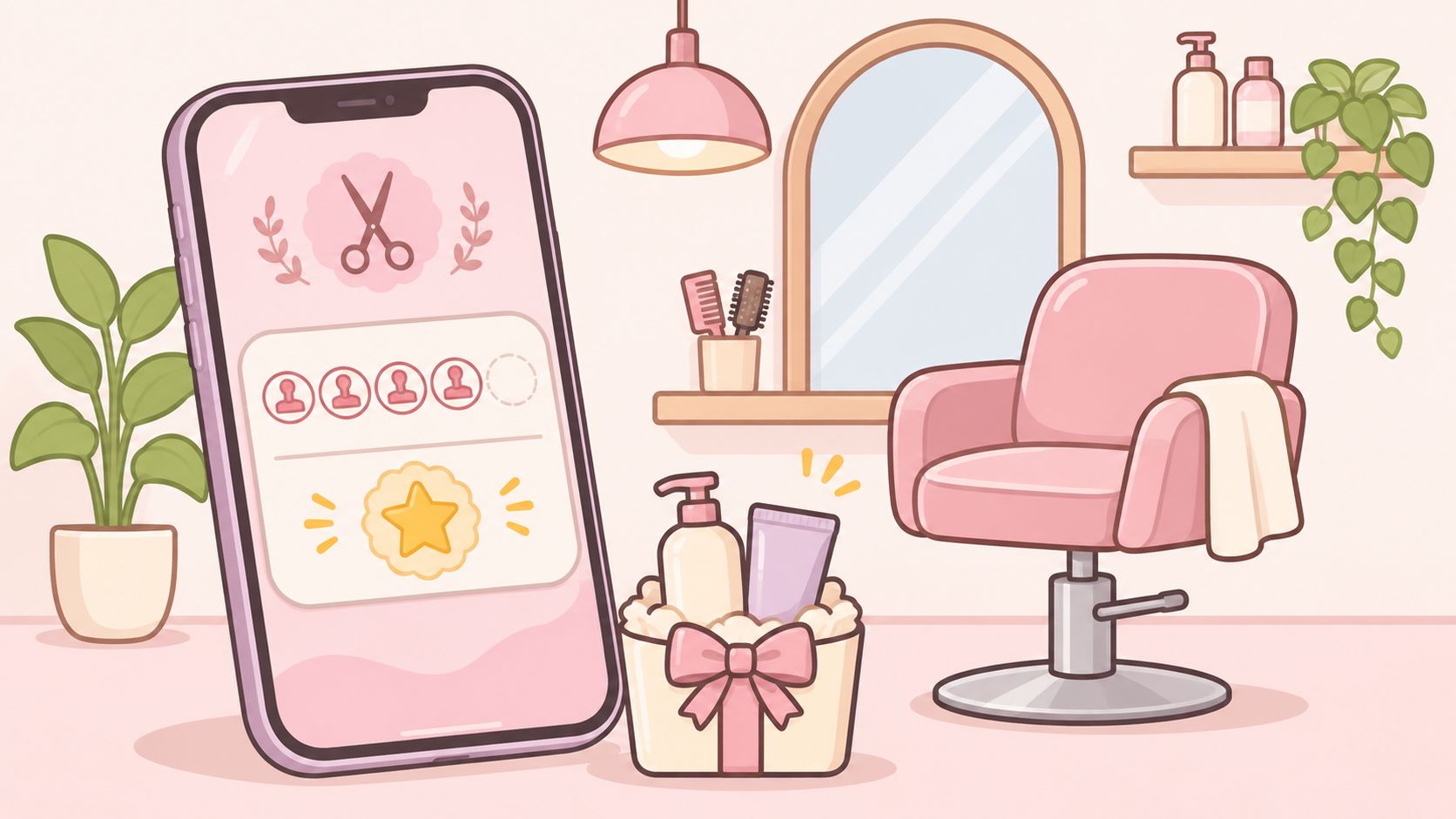
If your calendar runs on frequent, predictable services like manicures, brow shaping, waxing, or blow-dries, a digital stamp card is the fastest program to launch and explain at the front desk. One completed appointment earns one stamp, and hitting a set threshold earns a defined reward. Unlike paper punch cards that disappear inside handbags between visits, a digital wallet pass sits inside Apple Wallet or Google Wallet and updates automatically after checkout.
The business upside goes beyond neat record keeping. A North American beauty-and-wellness benchmark cited in LoyaltyPass's digital wallet guide reported that loyalty-program guests made 9% more annual visits than non-members. In that same guide, McKinsey's 2024 US digital-payments research showed in-store digital-wallet adoption rose from 19% of consumers in 2019 to 28% in 2024. That adoption trend makes wallet passes a practical primary channel, though you still need a phone-number lookup at reception for clients who prefer not to save a card on their device.
Here is how a branded digital stamp pass looks ready for checkout at a busy station.
Setting the Threshold Without Hurting Margin
Say a nail studio gives a free classic manicure after ten visits, or a barbershop-style salon awards a free beard trim after eight haircuts. Both work because the client cycles back every two to four weeks and finishes the card quickly. If your average guest only comes in every two months for color, a ten-stamp card stretches out well over a year and loses its pull.
- Match the Stamp Count to Visit Cadence: Aim for a reward a regular client can earn within two to three months, typically five to six stamps for slower hair cycles and eight to ten stamps for weekly or biweekly services.
- Reward With High-Margin Add-Ons: Swap a free full haircut or color service for a deep conditioning treatment, gloss upgrade, or scalp massage that costs you a few dollars in backbar product while feeling generous in the chair.
- Stamp at Checkout Only: Train reception and stylists to scan or add the stamp after payment clears, never at booking, so late cancellations and no-shows never accumulate credit.
- Seed Early Momentum: Grant one bonus stamp on the client's first visit or whenever they lock in their next appointment before walking out the door.
Margin check: A free add-on during existing chair time protects labor capacity far better than giving away a full 45-minute appointment slot.
2. Spend-Based Points and Retail Rewards
Visit counts treat a quick fringe trim the same as a full balayage plus two take-home serums. When your salon carries high-ticket services alongside a serious retail shelf, a spend-based points card aligns rewards directly with what clients spend. Every paid dollar converts into points displayed on the client's wallet pass, which they can redeem later for treatments, fixed-amount credits, or retail products.
Getting clients to sign up is only half the job. According to 2024 summaries compiled by White Label Loyalty, roughly 81% of consumers belonged to a loyalty program, yet only 49% actively used the programs they joined. The encouraging flip side in the same compilation is that 64% of loyalty members spend more money specifically to earn more points. When a client sees their live balance at checkout and realizes one travel-size heat protectant pushes them over a reward tier, retail attachment rises without hard selling.
For a quick visual walkthrough of setting up points mechanics on mobile, watch the short overview below.
Structuring Earn Rates and Retail Bonuses
Keep the arithmetic effortless. A straightforward rule like one point per dollar spent with a clear redemption ladder removes confusion at the till. If you want a deeper breakdown of earn ratios and redemption math, our guide on how loyalty points work maps out practical point values for small businesses.
Say a full-service hair salon runs double points on a featured bond-repair shampoo line during a seasonal retail push, or a nail studio grants a free polish when a client purchases a cuticle oil tracked through their pass. Both promotions move stagnant shelf stock without slashing prices publicly.
To keep points profitable, set your first redemption threshold low enough that a typical guest reaches it within one or two visits, and exclude clearance items or discounted packages from earning credit. Feature just one or two bonus products per month so stylists can give a specific, ten-second recommendation while styling. Finally, review your outstanding point liability at the end of every month, and use purchase history to trigger replenishment reminders right before a client's shampoo or cleanser runs dry.
3. Tiered VIP Membership
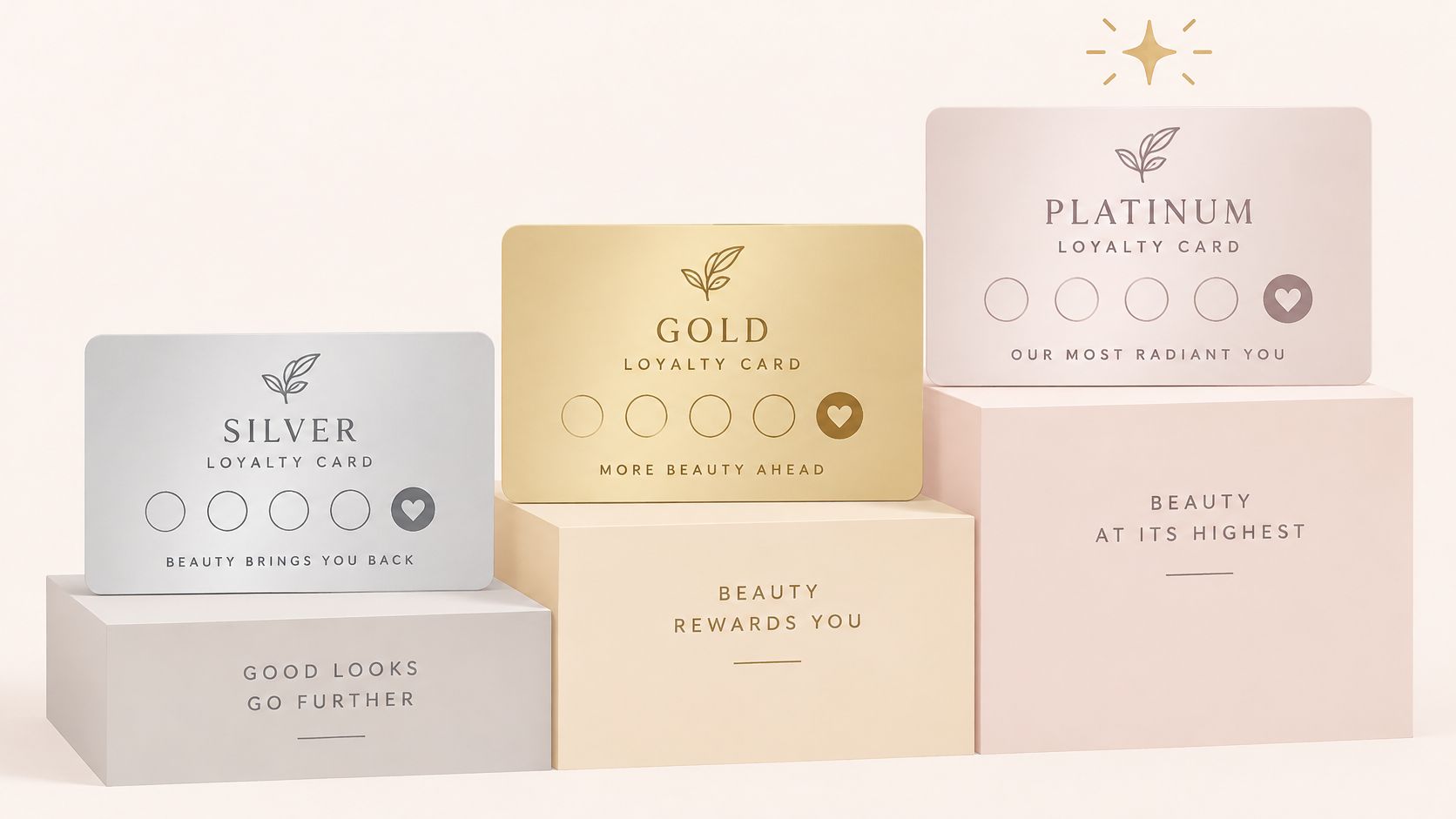
Some salons make the mistake of treating a twice-a-year trim client identically to a guest who books monthly color, keratin treatments, and retail restocks. A tiered VIP membership solves that imbalance by grouping regulars into clear status levels, typically Silver, Gold, and Platinum, based on annual visits or cumulative spend. Each step offers better perks that motivate clients to consolidate all their beauty bookings under your roof.
Demand for structured programs like this is strong across personal care. In 2025 consumer research from Zenoti, 73% of customers said they would be more likely to choose a salon or spa that offers a membership or loyalty program. Multi-stylist studios with higher average tickets see the biggest lift here because status perks feel exclusive rather than promotional.
Below is an example of how distinct visual tiers help clients recognize their status immediately.
Keeping Tiers Simple and Profitable
Say an independent salon automatically places new clients in Silver, upgrades anyone completing six visits a year to Gold with priority weekend booking slots, and reserves Platinum for top annual spenders who receive complimentary gloss upgrades and early access to holiday appointment windows. Notice that the best perks rely on access and experience, not steep price cuts. If you are deciding which status privileges fit your clientele, reviewing what makes a VIP program effective will help you separate genuine perks from margin-draining giveaways.
Never build more than three tiers. Once a client needs a chart to figure out what separates tier three from tier four, staff stop explaining it and clients stop chasing the upgrade.
To make tiers convert into extra bookings, display the exact gap to the next level on every checkout receipt or pass notification, such as "two visits away from Gold." Build in a 30-to-60-day grace period before downgrading someone's status after a quiet stretch. Stripping a loyal client's perks overnight because they missed an annual cutoff by one week creates resentment that undoes a year of goodwill.
4. Referral Rewards Program
Paid social ads and booking marketplaces charge steep fees to bring in strangers who often bounce after a single discounted visit. Your happiest regulars already endorse your chairs to coworkers and friends for free; a referral rewards card turns those casual mentions into a trackable acquisition channel.
That personal endorsement carries real weight in beauty services. In a 2022 international survey of salon clients reported by Phorest, the relationship with the service provider was cited as a loyalty driver by 55% of respondents in the United States, 56% in the United Kingdom, 63% in Canada and Ireland, and 75% in the UAE. When a client trusts her stylist, her recommendation brings in new guests who already expect to pay full price and stay long term.
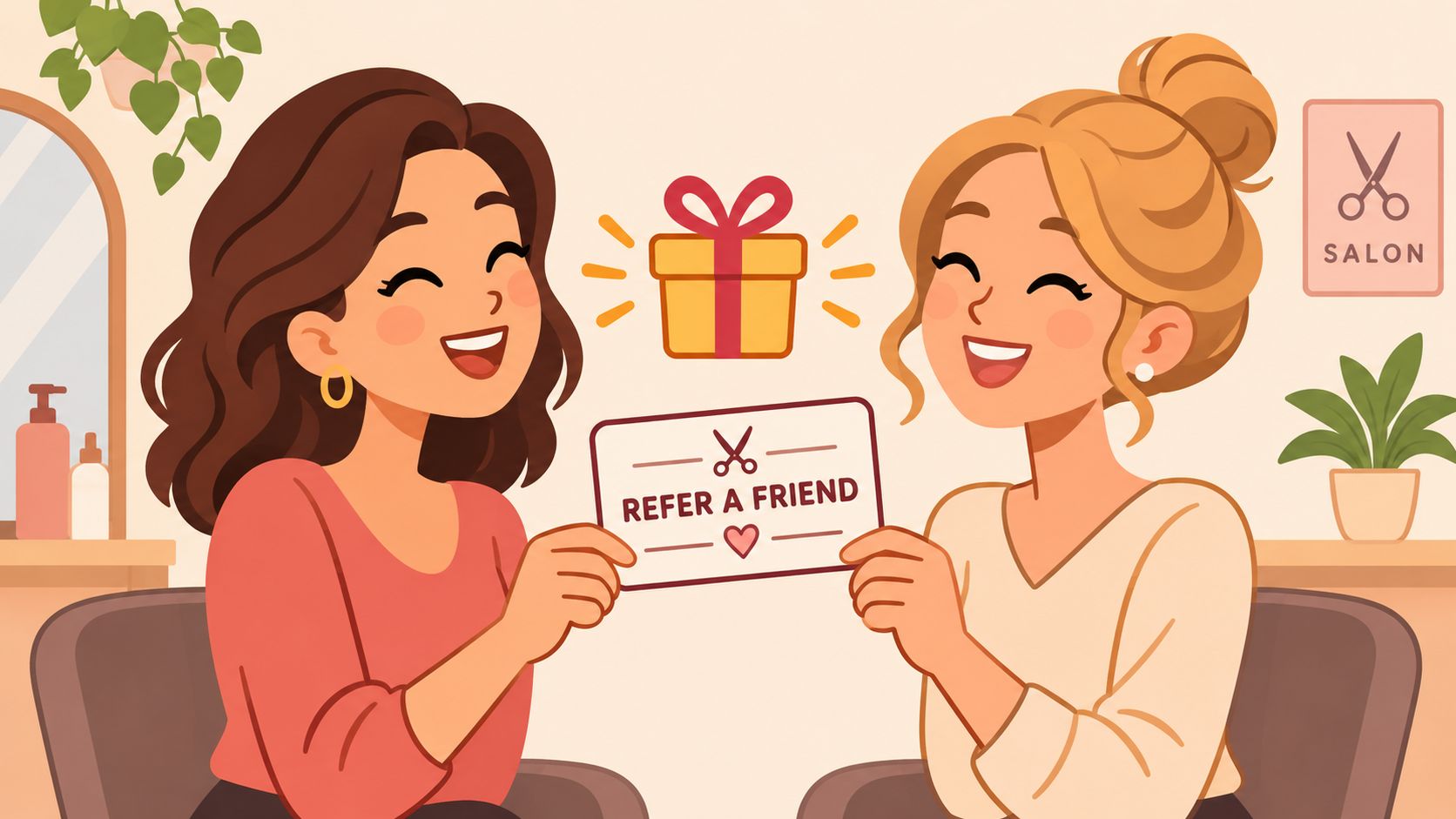
A double-sided offer makes sharing feel generous rather than self-serving, as shown in this referral-card exchange.
Guardrails That Prevent Referral Abuse
Say a hair salon credits an existing client with a free blowout whenever a referred friend completes a first color service, or a day spa applies a 15% discount to both the referring member and the new guest on their next treatment. Loading that referral credit straight onto the client's digital loyalty pass keeps the reward visible until they book again. For a broader look at structuring two-sided incentives, read our breakdown of customer referral programs.
- Pay Out After Completed Visits Only: Release the referrer's credit strictly after the new guest finishes and pays for their first appointment, blocking fake sign-ups and no-show gaming.
- Remove Sharing Friction: Give clients a pre-written text or WhatsApp message with a referral code they can forward in two taps right from their phone.
- Set an Annual Cap: Limit referral rewards per client per year so nobody abuses the system by soliciting strangers online for free services.
- Acknowledge the Conversion Personally: Send a quick personal note or thank the client in the chair when their friend visits, because recognition reinforces repeat referrals better than credit alone.
5. Service-Specific Bundle Card
General storewide cards don't always fit specialized menus. A lash studio, brow bar, or facial clinic often has one signature treatment that drives predictable repeat visits while everything else is occasional. A service-specific bundle card ties rewards strictly to that flagship category, letting clients either prepay for a package or collect category stamps toward a bonus session.
Simplicity is the main reason category cards outperform convoluted multi-rule schemes. Beauty consumer findings covered by KIRO 7 showed that 84% of surveyed beauty shoppers valued exclusive discounts, 83% valued earning rewards, and 69% valued personalized experiences, yet a 2025 beauty-retail survey in the same report found only 7% named feeling connected to a loyalty program as their top experience driver while easy loyalty tracking ranked first. A dedicated card showing "4 of 6 gel manicures completed" answers the client's only question in half a second.
Matching Bundle Size to Natural Rebooking Windows
Consider two common salon setups. A lash studio sells a ten-fill package and adds an eleventh fill free upon completion, locking in roughly five months of consistent infill revenue. Meanwhile, a nail salon runs a six-visit gel manicure card that earns a complimentary classic pedicure on completion, introducing loyal manicure guests to a higher-ticket service they might start booking year-round.
The trade-off with bundles is stall risk if clients forget how many sessions remain. Counter that by making three small habits standard at reception:
- Align Bundle Length With Service Cadence: Use larger counts like eight to ten sessions for two-week lash infills, and shorter runs of four to six visits for monthly facials or chemical peels.
- Rebook Before They Stand Up: Lock the next appointment in at checkout while updating the bundle pass so momentum never cools off.
- Trigger Low-Balance Alerts: Send an automated message when one or two sessions remain, encouraging clients to finish their card and roll straight into a fresh package.
- Apply Fair Expiry Windows: Set a six-to-twelve-month expiry window printed clearly on the pass, balancing steady visit velocity with reasonable flexibility for vacations or illness.
6. Birthday and Milestone Rewards
Points and stamps reward transactions, while birthday and milestone rewards acknowledge the person sitting in the chair. Celebrating a client's birth month, their one-year anniversary with your salon, or their tenth overall visit creates an emotional anchor that discount apps cannot replicate. Better yet, once configured inside your digital pass or booking system, the perk delivers itself without staff checking calendars every morning.
Personal timing pays off directly on the appointment book. According to Zenoti's 2024 Salon and Spa Consumer Survey, 81% of salon and spa customers said they were more likely to rebook when offered personalized promotions. A birthday add-on hits at the exact moment a client already wants to look polished for dinners, photos, or weekend plans.
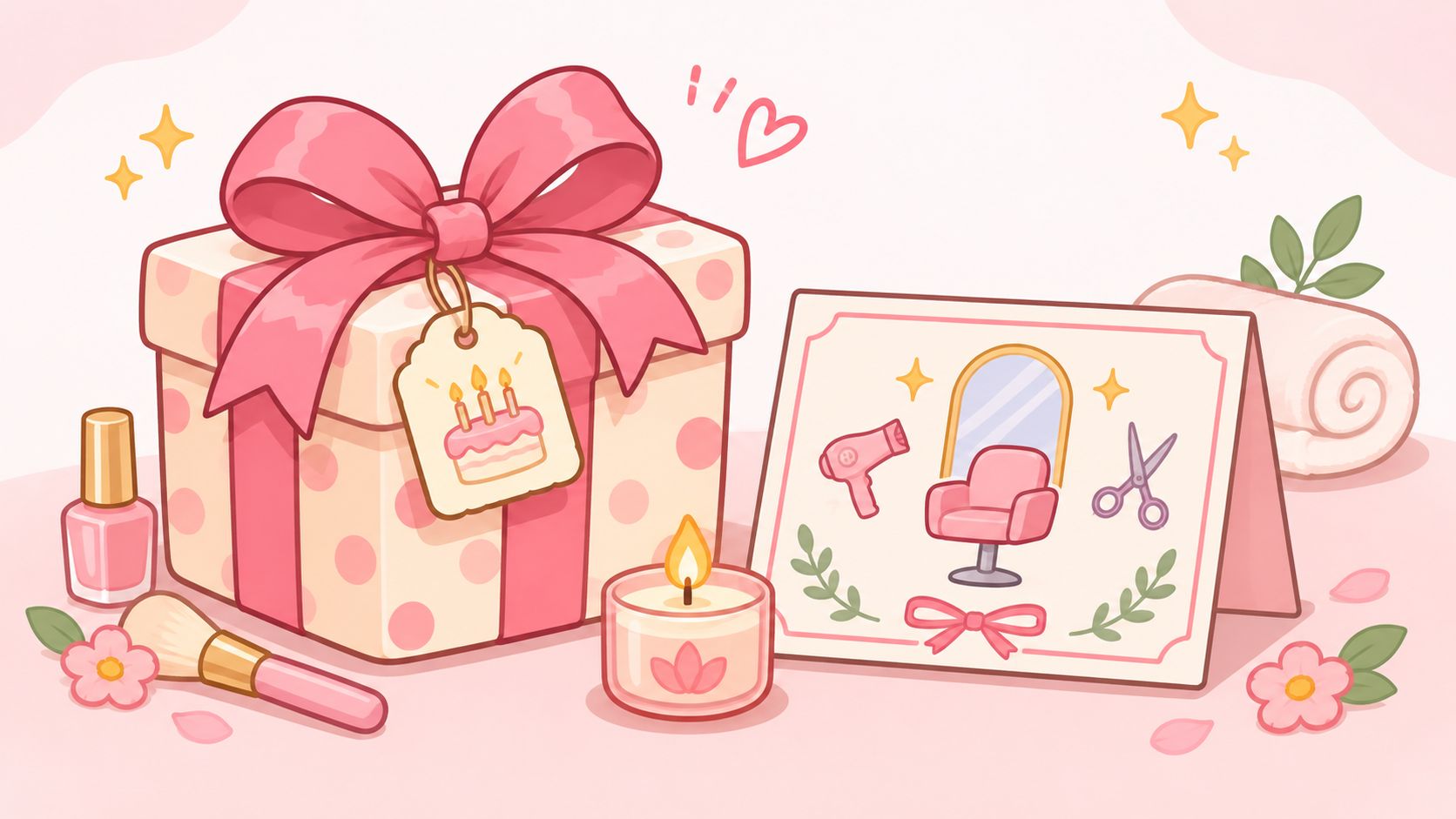
Thoughtful milestone treats feel like a genuine gift rather than a routine coupon.
Designing Milestone Perks That Convert Into Paid Bookings
Say a day spa loads a complimentary paraffin hand treatment onto a client's pass during their birthday month, redeemable with any booked facial or massage. Or a hair salon triggers a free bond-building conditioning add-on on the client's first anniversary with the studio. In both cases, the reward requires a paid core appointment, so you never lose a prime chair slot to a standalone freebie.
Privacy-first rule: Ask for the client's birth month and day, or just their birth month, rather than their full birth year. You get the exact trigger you need without storing sensitive identity data.
Give clients a two-to-four-week redemption window around the milestone so busy schedules don't turn your gift into a frustration. Always pair the automated reward alert with a single-tap booking link. Sending "Happy Birthday, enjoy a free scalp massage!" without a direct prompt to reserve a chair leaves half of your potential redemptions sitting unread.
7. Prepaid Store Credit with Bonus Top-Up
Cash flow in most beauty salons swings sharply between peak holiday months and quiet post-season weeks. A prepaid store credit pass with a bonus top-up smooths those dips while locking in future visits. Clients load money onto their loyalty balance in advance and receive an extra bonus percentage above a set deposit threshold, usable across any service or retail item.
Say a salon offers a 20% bonus credit whenever a client loads $200 or more onto their digital pass, giving them extra balance to spend over upcoming appointments. A neighborhood spa might sell gift-card-style credit that clients merge straight onto their existing wallet pass so there's no plastic card to misplace. Because the money is already committed to your studio, clients rarely drift to a competitor while a balance sits on their phone.
Managing Legal Rules and Accounting Liability
This model carries real financial discipline requirements that stamp cards don't have. Prepaid money sitting on client passes is unearned revenue, not immediate profit, until the client sits in your chair. Spending that cash upfront without tracking what you still owe in future labor and product can squeeze payroll during busy redemption months.
- Verify Local Prepaid Laws First: Check state, provincial, or national gift-card and stored-value regulations before setting any expiry dates or dormancy fees, as many jurisdictions strictly prohibit expiring cash balances.
- Limit Bonus Tiers to Two or Three Levels: Offer clean breakpoints, such as a 10% bonus at a mid-level top-up and 20% at a higher top-up, so front-desk staff can quote the math effortlessly.
- Keep Balances Visible: Display the remaining credit after every checkout and include it in appointment reminders so clients feel comfortable adding a retail item or upgrade.
- Reconcile Unused Credit Monthly: Review total outstanding prepaid balances on your monthly financial report so your true liability stays transparent.
8. Review and Social Engagement Rewards
Not every valuable client action happens at the payment terminal. Fresh online reviews and authentic before-and-after posts pull in local prospects searching for a new stylist or esthetician. Pairing small review and social engagement rewards with your core points or stamp card encourages happy clients to speak up without turning your loyalty program into a popularity contest.
Say a hair salon grants a modest batch of loyalty points when a client submits verified visit feedback, redeemable alongside their regular service points. A boutique spa might invite guests to post a glow-up photo with a branded hashtag (always with the client's consent) in exchange for a travel-size sample or small point bonus logged onto their pass.
Staying Compliant With Review Platforms
There is a strict line you cannot cross when incentivizing feedback. Major review platforms prohibit paying for positive ratings or filtering out unhappy guests. Before launching any review incentive, check each platform's current policy and follow best practices for collecting Google reviews for hair salons so your listing stays safe from penalties or removed reviews.
Reward the act of leaving honest feedback, never a five-star rating. Treating every verified submission equally keeps your profile compliant and your reviews credible.
Keep social and review bonuses deliberately modest so clients still earn the bulk of their rewards through actual appointments and retail spend. Timing matters just as much as the incentive itself. Never ask a client to write a review while they're juggling a purse and tapping their card at reception. Instead, send a short follow-up message a few hours after a great appointment, when they've caught their reflection twice and still feel thrilled with the result.
How the 8 Beauty Salon Loyalty Card Ideas Compare
| Item | Reward trigger | Best for | Setup effort |
|---|---|---|---|
| Digital Stamp Card (Every-Nth-Visit Reward) | Complete a set number of qualifying visits | Encouraging regular appointments with a simple reward | Low |
| Spend-Based Points and Retail Rewards | Spend on services or products | Rewarding higher spend and increasing retail sales | High |
| Tiered VIP Membership | Reach visit or annual-spend thresholds | Recognizing and retaining high-value clients | High |
| Referral Rewards Program | A referred client completes a paid appointment | Attracting new clients through word of mouth | Medium |
| Service-Specific Bundle Card | Complete or purchase a set of services in one category | Driving repeat bookings for a specific service | Medium |
| Birthday and Milestone Rewards | Reach a birthday, anniversary, or membership milestone | Building goodwill and prompting a visit | Low |
| Prepaid Store Credit with Bonus Top-Up | Load credit and meet a top-up threshold | Improving upfront cash flow and encouraging return visits | Medium |
| Review and Social Engagement Rewards | Complete a qualifying review or social action | Building online visibility and client advocacy | Medium |
Choose One Reward This Month and Build From There
Trying to launch points, VIP tiers, referrals, and prepaid bundles on the same Monday guarantees staff confusion and half-finished passes. Pick the single loyalty format that matches your strongest revenue driver right now. If most of your book is quick repeat maintenance like nails, brows, or blow-dries, start with a digital stamp card. If clients buy a mix of high-ticket color and retail care, launch spend-based points instead, then layer in birthday perks or referrals once your team logs visits on autopilot.
As you roll out your card, design for every client who walks through your door, not just tech-savvy regulars. Beauty and wellness research summarized in Droids On Roids' digital loyalty card guide found that 70% of surveyed wellness clients said rewards programs would encourage them to return, while 52% valued providers remembering personal preferences. That same implementation guide highlights practical accessibility and privacy safeguards that salons often overlook:
- Support Both Mobile Ecosystems Plus a Fallback: Issue passes that work natively in Apple Wallet and Google Wallet with no app download, while keeping a quick phone-number lookup at reception for older clients or anyone who prefers not to use digital wallets.
- Make Pass Design Readable for Everyone: Use high-contrast text, clear icons, scalable fonts, and clear labels rather than relying on color cues alone so low-vision and multilingual clients can check their progress effortlessly.
- Practice Data Minimization: Collect only what the reward needs, explain clearly how visit history is stored, and never force marketing opt-ins as a condition of earning stamps or points.
Measure whether your card changes behavior after 60 to 90 days instead of celebrating total sign-ups. Track your rebooking rate, active-member rate, reward redemptions, and return visits against your pre-launch baseline. If redemptions stay flat, lower your threshold or swap the reward for a more appealing add-on.
When you're ready to put this in motion without buying new checkout hardware, Loyal Customer lets salons set up a branded digital stamp card (targeting 3 to 10 stamps) or a points program straight from a smartphone, issued directly to Apple Wallet and Google Wallet via a unique web link. You can also test your layout with our free Punch Card Template Builder before rolling it out at reception.
Ready to turn occasional bookings into steady regulars without messy paper cards or extra POS terminals? With Loyal Customer, you can design a custom digital stamp card or points program in minutes, issue Apple Wallet and Google Wallet passes through a branded link, and scan QR codes right from your phone at checkout. Visit the site today to map out your first reward and launch a loyalty card your clients will keep.