Do loyalty programs increase sales? Yes, and the evidence is stronger than many owners expect. Across hundreds of companies, a well-run program lifted both sales and gross profits in the first year, and the sales lift held for years. The catch is real too: design decides the result, and profit usually trails revenue.
Table of Contents
- The Short Answer for Busy Owners
- Why Repeat Customers Drive Most Small Business Revenue
- Program Design Choices That Shape Sales Results
- Measuring the Sales Impact of Your Loyalty Program
- FAQ
The Short Answer for Busy Owners
The Verdict in Plain Language
A good loyalty program works like a repeat-visit engine. It gives a customer who bought once a reason to come back for a second visit, then a fifth, then a tenth.
A loyalty program is not charity. It turns anonymous occasional buyers into known regulars who return more often.
That changes how you read the numbers. A random giveaway can lose money every time someone redeems it. A repeat-visit engine earns the reward back through extra trips that would not have happened otherwise.
What the Research Actually Found
The strongest evidence comes from an academic study of 322 publicly traded companies that launched loyalty programs between 2000 and 2015. Researchers found that introducing a program increased sales and gross profits during the first year, with the sales effect continuing for at least three years. Read the full research about loyalty program performance findings.
One honest caveat: the impact on gross profit appeared more slowly, becoming statistically significant only during the second quarter after launch. Sales move first, profit follows.
What the Research Says About Loyalty Programs and Sales
If you only have a minute, this is the pattern that matters.
| Research Finding | What It Shows | What It Means for a Small Business |
|---|---|---|
| 322 companies studied, 2000-2015 | Sales and gross profits rose in year one | A credible program can pay back faster than a seasonal promo |
| Sales effect lasted at least three years | The gain was not a launch-week spike | Treat it as an asset that compounds |
| Gross profit significant in quarter two | Margin lagged behind sales | Judge early results on visits and revenue before judging profit |
| Manta and BIA/Kelsey small-business figures | Repeat customers punch above their weight | Your best growth lever is the customer already in the room |
| Consumer repurchase intent surveys | Shoppers say rewards make return visits more likely | Visible progress can matter as much as the reward itself |
Read left to right and the story stays consistent: demand moves first, margin catches up, and smaller merchants see the same behavior in their own regulars.
Building customer loyalty is closely tied to whether loyalty programs can produce measurable sales gains, and pairing your program with customer loyalty through email automation can keep members engaged between visits.

So where does that leave you? The rest of this guide walks through the mechanics. First, you’ll see why repeat customers drive most small business revenue, and why the gap between that fact and actual program adoption is a real opportunity.
From there, you’ll learn how programs change buying behavior, which design choices shape results, and how to measure impact without hiring an analyst. Finally, you’ll get a practical launch plan you can run from your phone.
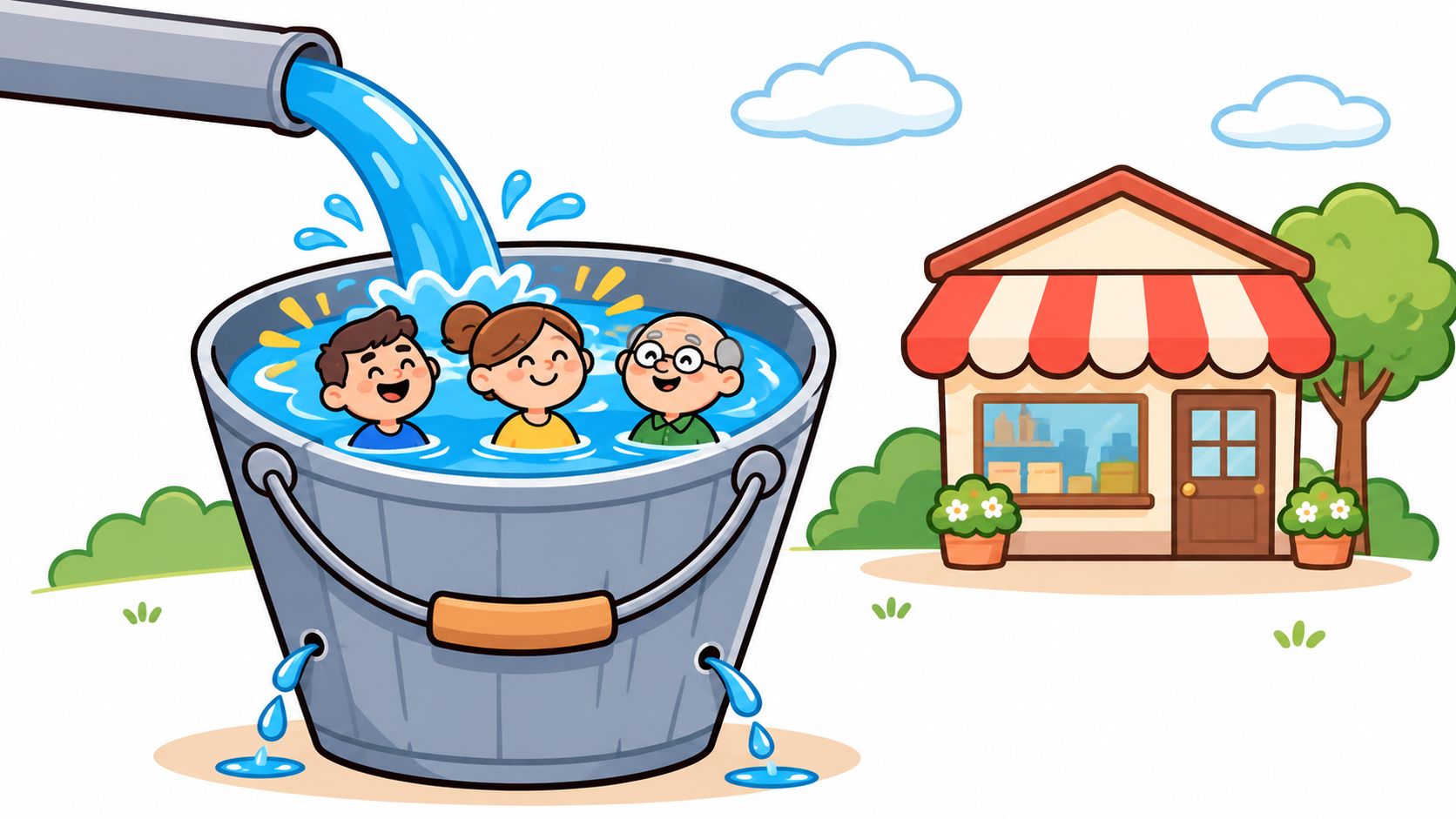
Picture your business as a bucket with a leak in it. New customers are the water you pour in; repeat customers are the water that stays. Getting more people through the door matters, but it's the ones who come back that stop all that effort from draining straight out the bottom.
Why Repeat Customers Drive Most Small Business Revenue
The Manta and BIA/Kelsey numbers make this concrete: 61 percent of small businesses said repeat customers produced more than half their sales, while only 34 percent actually ran a loyalty program.
That gap points to a real opening for encouraging return visits — though it's no guarantee that any old reward card will do the trick.
The opportunity is to change the next purchase, not simply reward the last one.
The widely quoted 67 percent spending premium for repeat buyers deserves the same caution. Loyal buyers might already have bigger needs, stronger preferences, or simply more reasons to shop with you. That difference isn't a promised bump you'll get just by launching a program.
As this breakdown of loyalty sales attribution warns, higher spending by members on its own doesn't prove the rewards caused it.
Calculate the Value of Another Visit
Take a hypothetical bakery customer who spends $8 per visit. A second visit pushes cumulative sales to $16; a third takes them to $24, before you account for costs or rewards.
Say the bakery gives away a pastry after six qualifying visits. The real commercial question isn't whether people like free pastries — it's whether chasing that reward generates trips the customer wouldn't have made anyway.
- Record the starting pattern. Does this customer normally come in once a month?
- Watch for a change. Did their visits pick up after they joined?
- Subtract reward costs. Extra revenue doesn't automatically mean extra profit.
The same logic applies to a salon offering points toward $5 off or a 10 percent discount once a threshold is hit. A second and third appointment add revenue, but the depth of the discount and the cost of delivering the service decide what's actually left over.
For a broader look at customer lifetime value, dig into growing repeat purchases profitably. Keep your math focused on genuinely additional purchases rather than counting every returning customer as a program win.
Focus on Businesses With Frequent Purchase Opportunities
This way of thinking works best wherever another purchase slots naturally into someone's week.
- Cafes and takeaways can aim for one more coffee or lunch visit.
- Independent retailers and grocers can nudge customers back when it's time to restock.
- Gyms can separate attendance from extra paid purchases or renewals.
So, do loyalty programs increase sales? The test worth using is whether identifiable customers buy more often than they used to, without the rewards eating up the gain.
Pick one realistic return behavior to start with, then work through our guide to increase repeat customers to set up your first measurable test this month.
Until now we’ve stayed on the owner’s side of the counter. Move to the customer’s side for a minute, because that’s where the sales lift starts.
The pull comes from two habits. People return more often when they’re closing in on a reward, and they move spending away from rivals because their progress sits with you.
Picture the coffee card in a wallet. After four stamps, the nearer cafe is no longer the automatic pick. That half-finished card keeps tugging the customer back.
What Customers Say About Their Own Behavior
The surveys point the same way. Salesforce reports that 84 percent of loyalty-program members said being in a program made them more likely to buy again from the same business.
Another consumer survey found 41 percent of consumers usually shop where they already hold a loyalty membership, while more than three-quarters said a program pushed them to spend more than they planned.
You can see it in ordinary choices:
- A gym member passes a closer studio because she’s five stamps from a free month where she already trains.
- A grocery shopper shifts her weekly fill-in shop to the store where her points build, even when the prices are close.
Stated Intention Versus Measured Sales
Keep one caveat in view. A survey answer is a promise, and a promise is easy to make.
What people say they’ll do is useful. What matters is what lands in your transaction data.
Use the surveys as a signal, then check your own records. If members say they’ll visit more often, frequency should climb after launch; if they say they’ll spend more, average basket size should move too.
Design Traps That Break the Loop
The pull weakens fast when the program is badly set up. Two mistakes show up again and again:
- Rewards set too far out. A freebie after twenty visits can feel unreachable, so customers stop paying attention before they ever get close.
- Discounts set too deep. Heavy offers can raise revenue while quietly cutting margin on every redemption. Sales rise, profit slips, and the program looks better than it performs.
Aim for the middle ground: a reward near enough to feel real, priced so the extra visits pay for it. Get that right and the card becomes a repeat-visit engine rather than a giveaway, which is where smart design earns its keep.
Program design helps explain why one shop earns repeat purchases while another mostly gives away margin. Tiers and clearly defined earning mechanisms were associated with significant increases in sales and gross profits in the loyalty program performance findings. Treat that as a useful signal for design quality, rather than a promise for every counter.
Program Design Choices That Shape Sales Results
Reward the behavior you want to grow, then make the earning rule easy to explain.
For an owner asking, “Do loyalty programs increase sales?”, the practical next step is naming the buying habit that needs to change. More visits and bigger baskets are different goals, so they need different incentives.
- Visit frequency gives customers a reason to come back sooner.
- Basket size encourages customers to place more of their spending with you.
Set that target first, then build the reward around it. A busy checkout can still hide a weak program if it pays for transactions without changing what customers do next.
Compare Stamps With Points
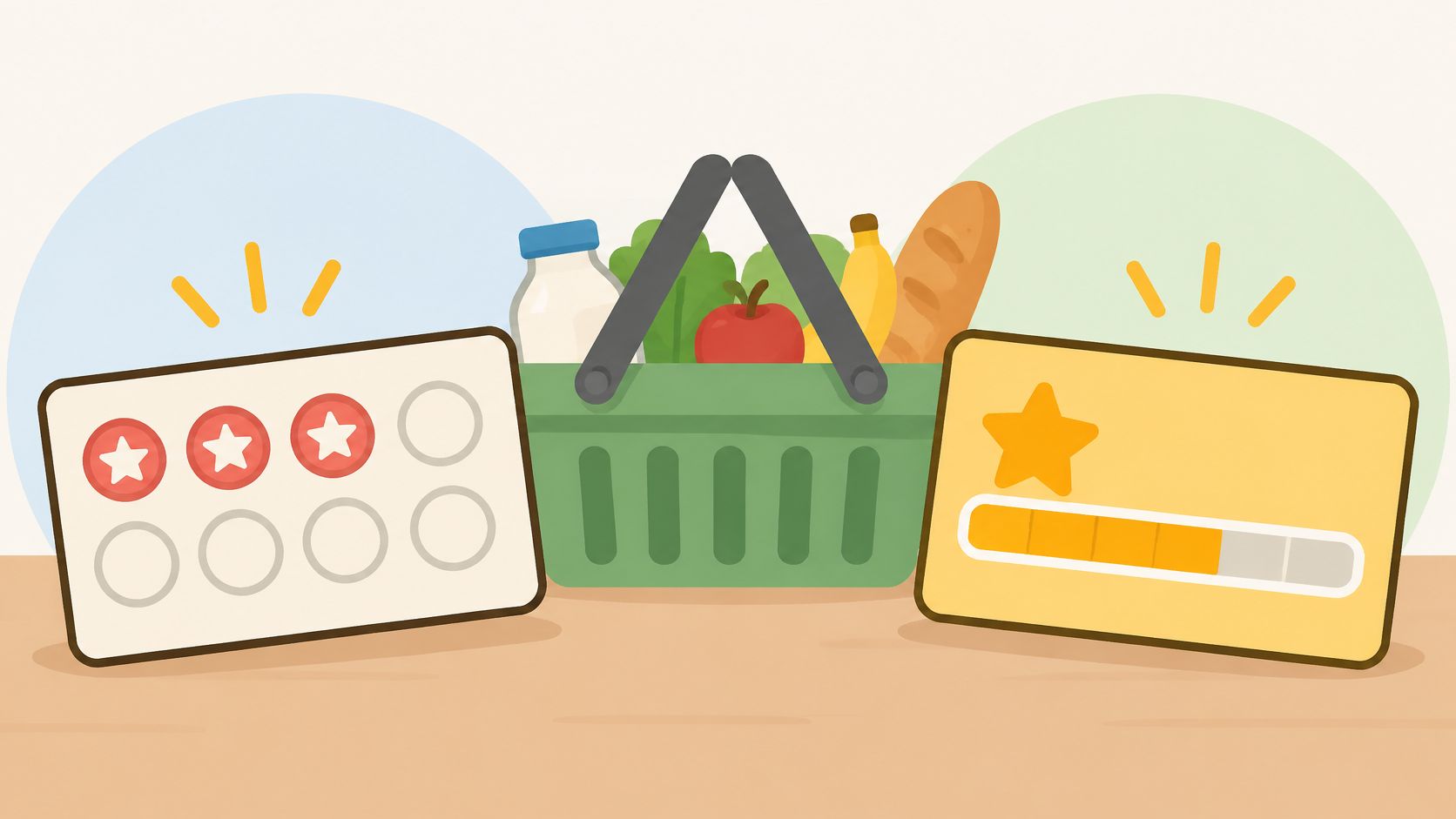
Think of stamps as counting footsteps and points as counting basket size. A stamp marks another qualifying visit, while spend-based points reflect how much the customer buys.
With Loyal Customer’s points program, merchants can award points per dollar spent or through custom spend tiers. A hypothetical retailer might give one point per dollar, so a larger basket moves the customer closer to redemption.
A welcome bonus can give new members momentum, though it also pulls the first redemption closer. Budget it beside the maximum-points cap instead of assuming either control protects margin on its own.
Rewards open at a set threshold and can include:
- A free item, such as a selected bakery treat.
- A fixed-amount discount, such as five dollars off.
- A percentage discount, priced against the margin available.
The threshold joins earning to value. Customers should know what they will receive and roughly how many ordinary purchases it takes to get there.
Matching Stamp Cards and Points Programs to Your Business
Use the sales pattern you already see each week to choose the model, since each has a clear job.
| Business Type | Better Fit | Example Reward Structure | Metric to Watch |
|---|---|---|---|
| Cafe | Stamps | Selected drink after eight visits | Visits per customer |
| Grocery | Points | Dollar spent earns points toward discounts | Average basket |
| Salon | Points | Appointment spending toward service discount | Revenue per customer |
Read the table as a starting point: visit-led businesses usually need a simple count, while variable-ticket businesses usually need rewards that scale with spending.
Choose One Loyalty Model on Purpose
With Loyal Customer, each business runs one program, and the program type cannot change after launch. Decide from transaction behavior rather than from whichever card design looks nicest.
These hypothetical structures are starting points only. Before launch, pressure-test the first reward:
- Count the purchases a typical customer needs.
- Estimate the wait using their normal buying rhythm.
- Cost the redemption, including any welcome bonus.
- Explain the offer to someone unfamiliar with it.
Write your proposed earning rule today, calculate the first redemption, and check whether a regular customer can realistically reach it before you commit.
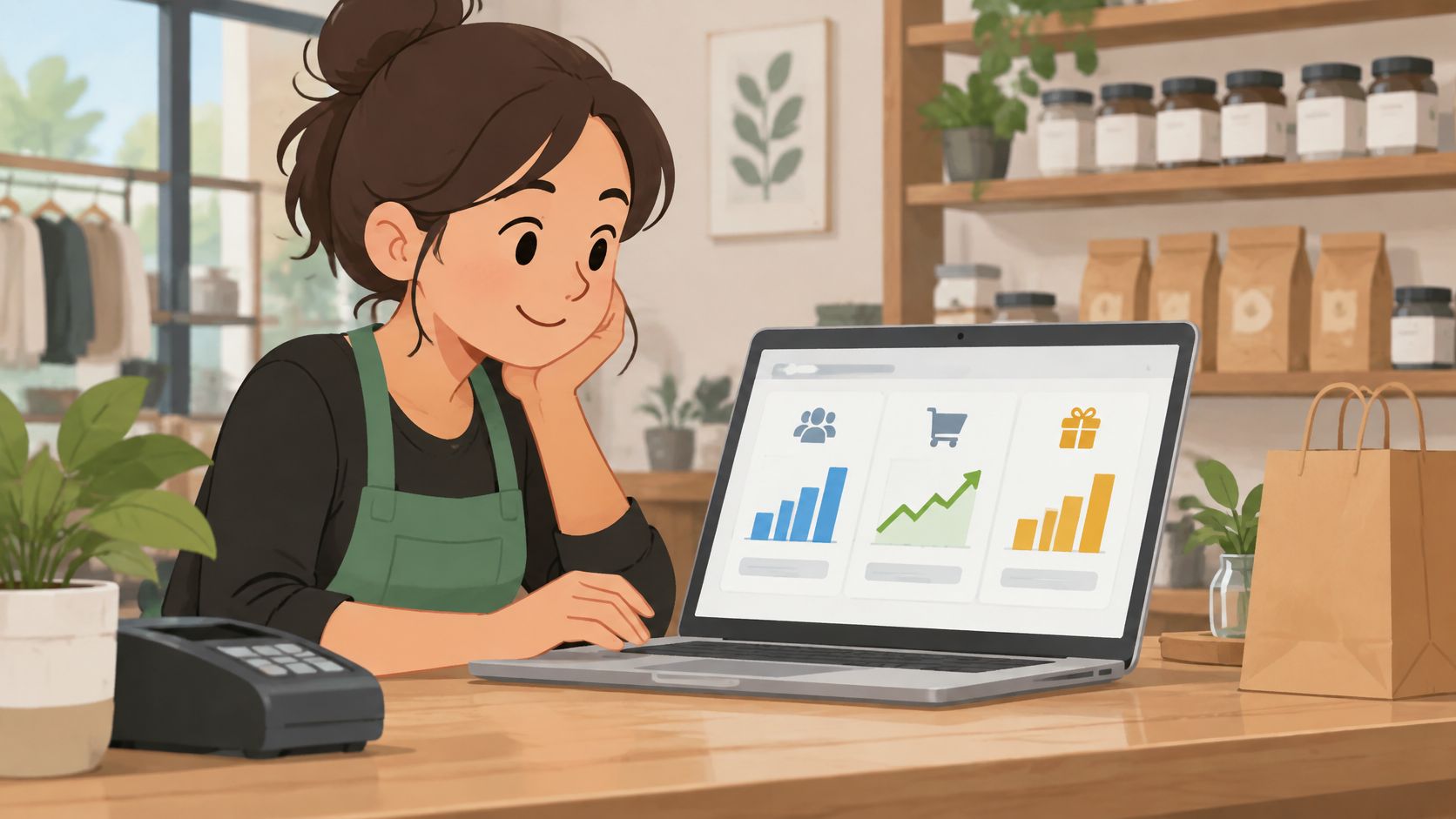
To figure out whether loyalty programs increase sales at your own shop, start with your till records. Think of them as a before-and-after photograph. Keep one spreadsheet, update it weekly between shifts, and watch for real changes in buying behavior rather than impressive membership totals.
Measuring the Sales Impact of Your Loyalty Program
Record Your Baseline Before Launch
Pull a full month of transactions first. Capture average transaction value, visits per customer per month, and total revenue, matching customers through consistent identifiers wherever you can.
| Baseline Metric | Simple Calculation |
|---|---|
| Average transaction value | Revenue divided by transactions |
| Monthly visit frequency | Customer visits divided by identified customers |
| Revenue | Total sales for the period |
From there, compare purchase frequency and average order value for those same customers before and after launch. For a stronger read, also keep an eye on similar customers who never enrolled, matching their earlier buying patterns where practical.
This mirrors the thinking behind test-versus-control sales measurement. Member spending on its own says nothing about whether rewards caused the growth.
Compare changes in behavior, not simply members against nonmembers.
Make notes on seasonality, any simultaneous promotion, and price changes along the way. A holiday rush or a menu price increase can pump up revenue without loyalty having anything to do with it.
Track Activity and Margin After Launch
Keep the weekly dashboard small enough that you can scan it before opening. Same reporting window, same calculation, every time. That's what keeps the numbers meaningful.
- Enrollment counts customers who join, telling you whether your checkout invitation is landing.
- Active participation counts enrolled customers who earned or redeemed during the month.
- Redemption rate compares redeemed rewards to available rewards, always using the same denominator.
- Revenue per enrolled customer divides member revenue by enrolled customers for that period.
- Gross margin trend shows whether sales still leave enough after product costs and discounts.
Say you end up with 500 sign-ups but only five redemptions. That's a signal to dig into reward accessibility and participation, rather than a reason to celebrate enrollment or write the program off.
Low redemption might simply mean customers haven't had enough time to qualify. Check earning activity before you touch the offer.
If phone bookings matter to your business, set up call tracking key events so campaign inquiries connect to later purchases. An inquiry on its own isn't revenue.
And before committing, run the numbers through the free Loyalty Program ROI Calculator. It models reward costs against expected repeat revenue, so treat the output as a planning scenario rather than a forecast.
Schedule Three Short Reviews
- Day 30 checks enrollment, earning activity, and transaction recording.
- Day 60 compares frequency and basket value, flagging promotions and price changes.
- Day 90 reviews reward costs and margin alongside sales.
Since profit improvement can trail sales, keep tracking past this checkpoint. Export your baseline today and put those three reviews on the calendar before launch.
All the evidence in the world only turns into revenue if a small team can keep the program running when things get hectic. The real test is whether it still works on a packed Saturday, after the meeting notes are long forgotten.
Remove the Friction Before It Starts
Paper punch cards end up lost in a drawer, and plenty of customers will not install another app just to earn a coffee. A branded pass in Apple Wallet or Google Wallet clears both hurdles, because it sits on the phone they already carry and refreshes automatically after each visit.
That connects straight back to sales. A card customers see every day gives them a reason to return sooner, while a missing card wipes out their progress and quietly stalls your repeat-visit momentum.
With Loyal Customer, you can run a digital points program or digital stamp card from your phone, with no hardware and no customer app. Setup takes a few minutes, and QR code scanning happens at checkout. A free trial gives you room to try the whole flow before making a decision.
If you want a closer look at phone-based programs, read our guide on mobile loyalty programs.
A Launch Sequence You Can Run This Week
The short version looks like this:
- Pick your model. Each business runs one program, and the type cannot change after launch, so choose stamps or points based on how your sales actually behave.
- Set a reachable first reward. A regular should earn it inside their normal buying rhythm, well before visit twenty feels like a chore.
- Brief your staff on the checkout scan. One line at the till, "Want to start earning points?", usually beats any poster on the wall.
- Review the baseline comparison. Pull the numbers you saved before launch and measure them against the milestones already on your calendar.
The Verdict on Loyalty Programs and Sales
So, do loyalty programs increase sales? The fair answer is that a well-built program can lift sales in a durable way, while a careless one tends to hand out margin and call it growth. What separates the two is your reward structure, your measurement habit, and whether you keep gross margin in the same conversation as revenue.
Revenue shows up early, margin decides later, and the owner watching both knows the real score.
Your next step is straightforward. Open the free trial, build a card in a few minutes, and set a first reward your regulars can realistically reach. After that, let your own numbers answer the question for your shop better than any case study can.
Before testing a program, clear up these practical questions about timing, costs, and checkout.
FAQ
How Quickly Should Sales Change?
Track visit frequency over your customers' normal buying cycle instead of expecting a launch weekend to prove anything. A cafe owner can check returning customers week by week, while a salon owner needs to wait for the next round of appointments.
Just don't mistake earlier visits for healthier margins. Profit improvements can lag sales, and findings from big companies won't tell you what deadline applies to your shop.
Treat early activity as a signal, not a profit guarantee.
Can Revenue Rise While the Program Loses Money?
Yes, and it happens more often than you'd think. Reward costs and deep discounts can eat up the extra income, particularly when you're paying for purchases customers would have made anyway — a risk covered in this guide to incremental sales.
That's why gross margin belongs next to sales in every review you run. If you run a bakery, add up what the free pastries cost in ingredients and the revenue you gave up through discounts, then take out software fees before you call the program profitable.
Do I Need Checkout Integration or Scanning Hardware?
No. Phone-run loyalty programs handle points or stamps without dedicated scanners or point-of-sale integration. Customers carry their passes in Apple Wallet or Google Wallet, and your staff manage the whole checkout workflow from a phone.
Before you launch, walk through these steps:
- Issue a pass.
- Record a qualifying purchase.
- Complete a reward redemption.
What if Enrollment Is High but Redemptions Are Low?
Start by checking whether members have actually had enough ordinary visits to qualify. After that, look at three things:
- Reward distance — can a regular customer realistically reach it?
- Staff prompting — does every team member mention progress at checkout?
- Pass visibility — can customers find the card they saved?
Change one obstacle at a time. Otherwise you'll never know which fix actually worked.
Try Loyal Customer through its free trial, run a full checkout test with your team, and record your baseline before you invite customers.