A customer is standing at your counter, ordering the same coffee they bought last week. They like your business, but there's no reminder to return and no clear reward for doing so. A simple stamp card can give them both. Today, “punch cards” can mean that familiar loyalty offer, or the punched cards that helped control looms, track census records, and feed early computers.
These examples of punch cards connect the two ideas. Some show how a business can reward repeat visits; others reveal how a small, structured record can organize information or trigger a specific action. For each, the useful questions are practical: What earns a stamp or punch? How does someone track progress? What happens when the card is full, lost, or disputed? Whether you choose paper or a wallet-native pass, the mechanics need to be easy for customers to understand and staff to apply.
Table of Contents
- 1. Café and Restaurant Loyalty Punch Cards
- 2. Salon, Spa, and Fitness Class-Pack Punch Cards
- 3. Jacquard Loom Control Cards
- 4. Herman Hollerith's Tabulating Machine for the U.S. Census
- 5. IBM 80-Column Computer Punch Cards
- 6. Mechanical Time Clocks and Employee Time Cards
- 7. Transit and Admission Ticket Punches
- 7 Types of Punch Cards: Side-by-Side Comparison
- Turn Inspiration Into Repeat Visits
1. Café and Restaurant Loyalty Punch Cards
A café punch card works because the exchange is immediate to explain: buy a qualifying item, receive a stamp, and redeem a reward when the card is complete. An independent coffee shop might offer a free drink after a set number of purchases; a bakery or tea shop could use the same visit-based model for regulars. Takeaway restaurants can reward repeat orders, while micro-merchants selling through Instagram or WhatsApp can issue digital cards without a traditional checkout counter.
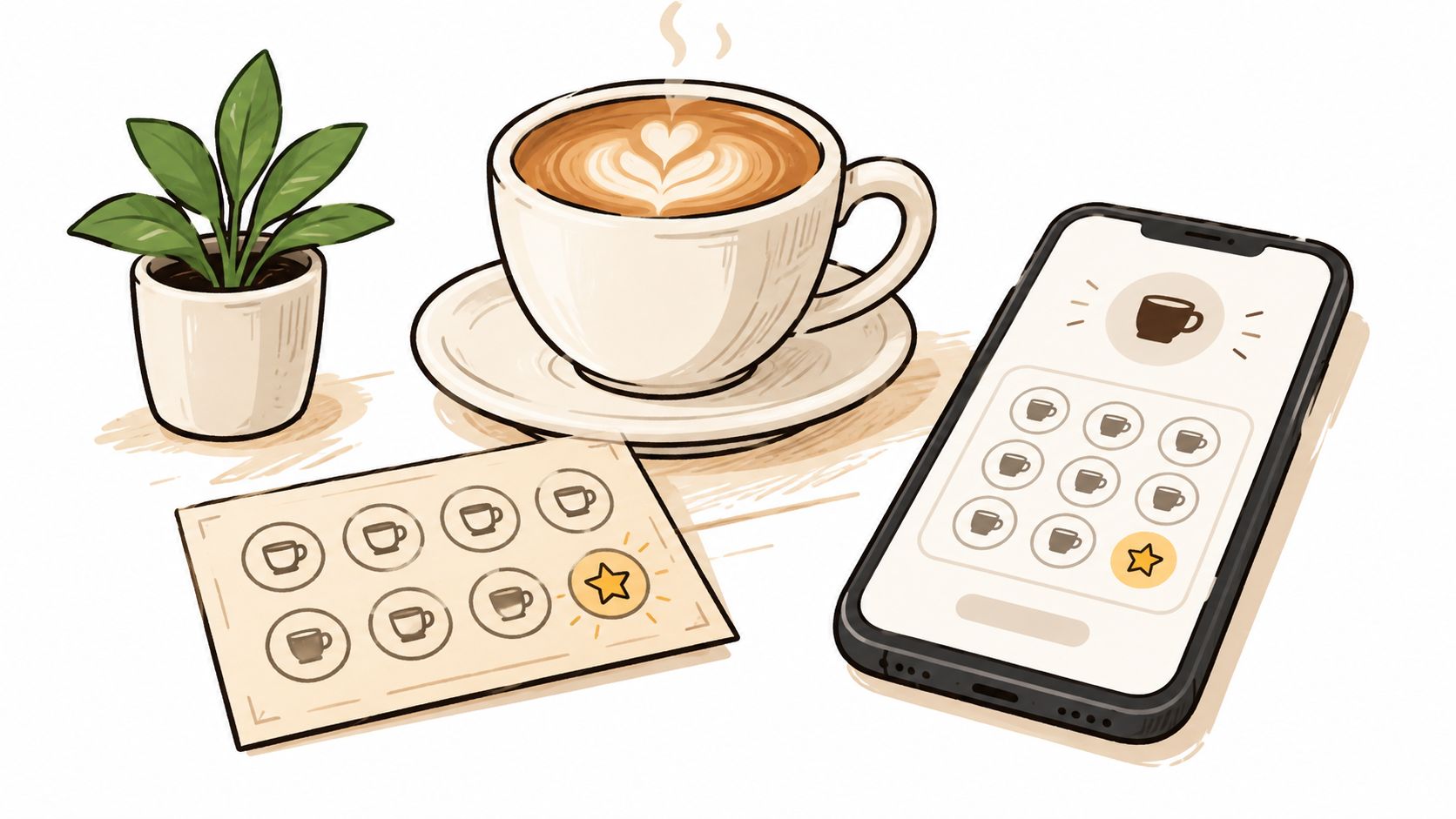
Paper is familiar and doesn't require a phone. It also gets forgotten, damaged, or replaced, and staff have to handle stamping and redemption consistently. A digital stamp card stores progress on the customer's phone and makes changes easier to communicate, but it still needs a clear checkout routine. Businesses exploring software for this workflow can compare options in this guide to restaurant loyalty program software.
Make the reward feel attainable
Choose a reward customers can understand before they make their first purchase. A free drink is simple; a reward with exceptions, substitutions, or unclear limits can slow down the line and create awkward conversations. State whether promotional purchases qualify, what the reward includes, and whether the card expires.
Put the offer where customers can see it, such as beside the register or on the order page. If you're moving from paper to digital, offer both during the transition so customers who prefer a physical card aren't left out. Test the whole process with staff, including issuing a stamp, checking a completed card, redeeming the reward, and explaining expiry.
Practical rule: Count the transaction the same way every time. If a larger order earns only one stamp, say so before customers sign up.
A wallet pass can also make progress easier to check and let a business send a timely reminder when a customer is close to a reward. Start with a small pilot, listen for questions at the counter, then adjust wording or rules before promoting the offer widely.
2. Salon, Spa, and Fitness Class-Pack Punch Cards
A salon punch card and a prepaid class pack share a useful idea: customers can see what they've purchased and what remains. A salon might discount a future haircut after repeated visits, while a spa could track prepaid facials or massages. A fitness studio might sell a pack of classes and mark each session off as the client attends.
The model can bring payment forward and give regular clients a reason to book again. But it isn't automatically good for every service. A punch for any visit may be too generous if services vary considerably in time or price; limiting a punch to selected treatments can protect margins, but the restriction must be obvious before purchase.
Record sessions where clients can check them
Write the expiry terms on the card, not just in a booking email or at the front desk. Staff should update the same balance the client sees, whether that's a paper card, booking system, or digital pass. When records disagree, the business loses time resolving the balance and the client loses confidence.
A completion bonus can be easier to budget than a large discount on every session. For example, a studio could offer a bonus class when a pack is used, while a salon could reserve a discount for a clearly defined service. The right option depends on how the business prices its work and which visits it wants to encourage.
Clients shouldn't have to ask staff to reconstruct their remaining balance from memory.
For a salon, the operational details matter as much as the headline offer: decide which services count, how staff record attendance, and whether a missed appointment uses a session. A salon owner comparing loyalty formats can review this guide to a beauty salon loyalty program. A digital pass can display the current balance at check-in, but it won't fix unclear rules or inconsistent staff updates.
3. Jacquard Loom Control Cards
A punched card didn't always record a customer visit. In the Jacquard loom, a sequence of cards controlled which threads were lifted as fabric was woven, making it possible to reproduce intricate patterns from stored instructions. The card wasn't a reward tracker; it was an input that told machinery what to do.
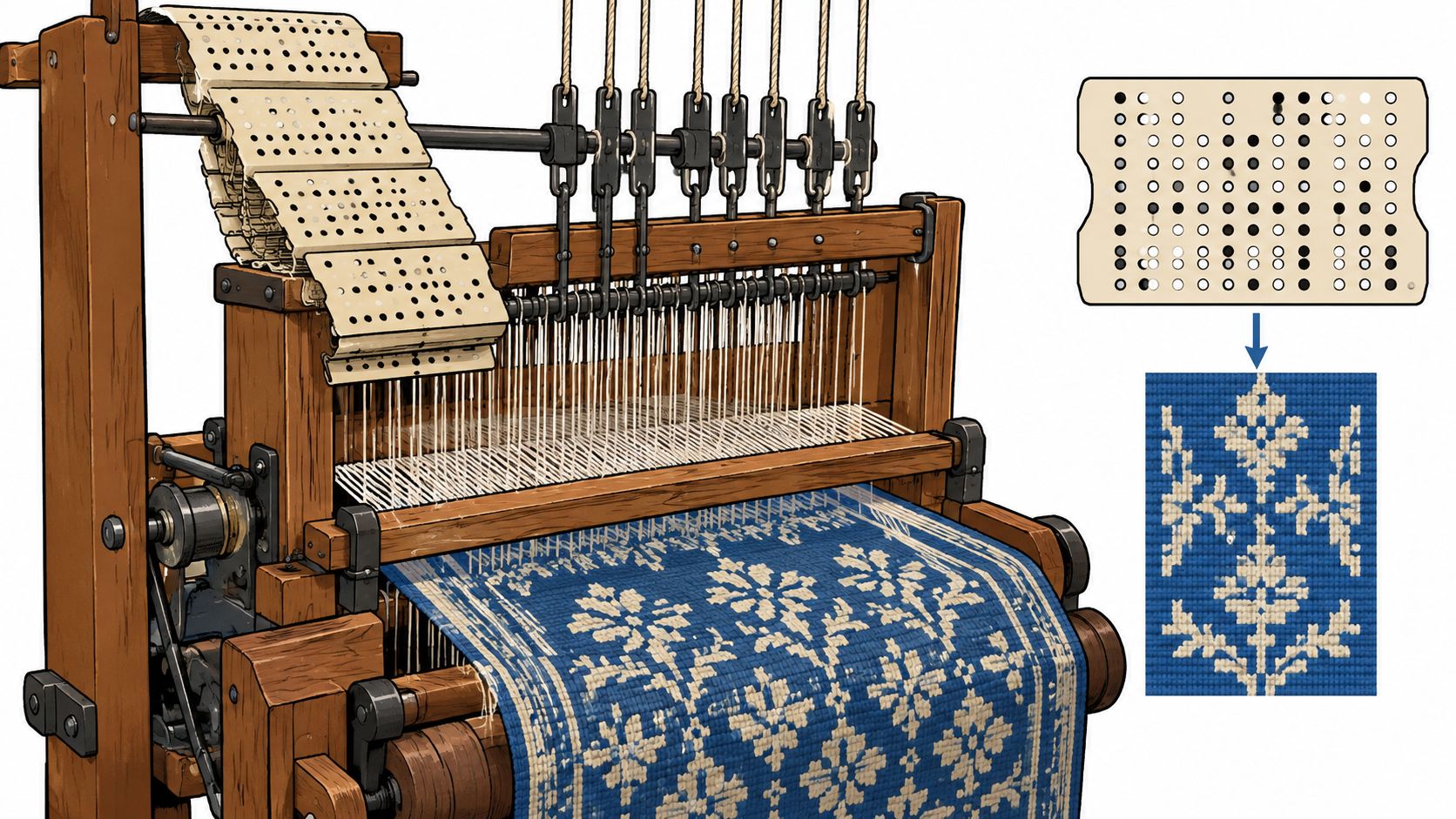
The distinction is useful when designing a modern loyalty card. A stamp is an event record: a qualifying purchase happened. A reward rule is an instruction: after the required progress, the customer can redeem something. Keeping those ideas separate helps avoid unclear designs where customers can't tell whether a stamp marks a visit, a purchase, or reward eligibility.
Treat each mark as a defined state
A stamp card should make its rules visible, but its back-end record also needs structure. Decide what counts, who can add a stamp, how the business records redemption, and what happens if an entry needs correction. Those rules work much like a reusable set of instructions: staff can apply them consistently rather than improvising at each checkout.
The history of punched-card control also offers a design lesson for businesses that use paper. The card itself is only useful if the marks have a stable meaning. A decorative stamp with no clear rule can make the offer look appealing while leaving staff and customers unsure about progress.
A short demonstration can help explain how punched cards controlled patterns on a loom.
For a café or studio, the modern equivalent isn't copying the loom's mechanics. It's making the customer-facing card and the tracking process follow the same simple logic: one qualifying event creates one mark, and a completed sequence earns a defined reward.
4. Herman Hollerith's Tabulating Machine for the U.S. Census
Herman Hollerith's tabulating system applied punched cards to large-scale recordkeeping. For the 1890 U.S. Census, the system stored each person's information on a card, then used detector pins and electromechanical counters to read and tally characteristics. That was a different job from rewarding repeat customers, but it shows why a consistent record format matters when people need to count and sort information at scale. The U.S. Census Bureau's account of Hollerith's machine describes the system and its role in census tabulation.
Make the record consistent before counting
The census card encoded information in defined positions. A loyalty program can use the same broad principle without imitating the old technology: decide what a record means before staff start adding to it. For example, identify the customer, qualifying transaction, stamp status, and redemption status as distinct pieces of information. If a program mixes visit stamps with spend-based bonuses but doesn't distinguish them, staff may struggle to explain how a balance was earned.
The census example is especially relevant to businesses choosing between purchase-, visit-, and service-based punches. A café might count one qualifying purchase; a salon might validate a specific service; a gym might record attendance separately from a paid class. Each model can work, but unclear eligibility creates room for mistakes and customer disputes.
A reliable count starts with a reliable definition of what gets counted.
Keep the rule brief enough for staff to remember and specific enough to handle exceptions. If a promotion changes the usual earning rule, record that difference rather than relying on memory. A paper card can work for a straightforward offer, but digital records make it easier to update a balance or verify how a reward was earned. The important choice isn't paper versus software by itself. It's whether every mark has a consistent meaning.
5. IBM 80-Column Computer Punch Cards
Computer punch cards turned written instructions and data into something a machine could read. Programmers prepared card decks using keypunch machines, then submitted them for processing. The cards needed to remain in the right order, because one misplaced card could disrupt the program or the data.
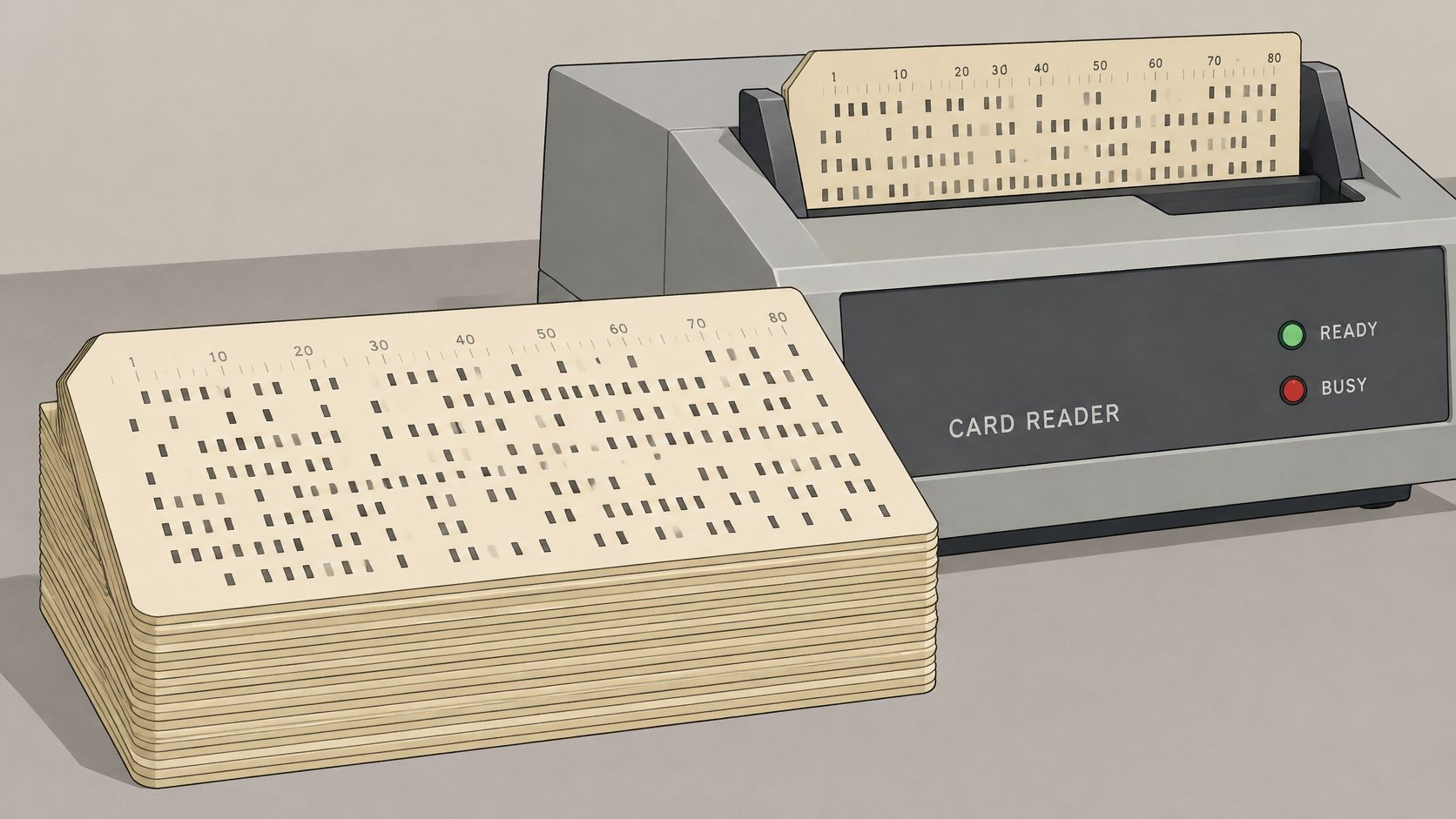
The everyday loyalty comparison is less about computing power and more about maintaining a dependable sequence. A business needs to know which customer earned a stamp, how many stamps remain, and whether the reward has already been claimed. Paper cards make that sequence visible to the customer, but they can be lost. Digital cards can preserve a balance on a phone, though staff still need a clear process for applying stamps and confirming redemptions.
Keep the customer-facing rules readable
A computer card was built around fixed fields. A punch card for a shop should also make room for the information customers need: the offer, what earns a stamp, the reward, and any conditions that affect redemption. Don't crowd the card with every possible exception. Put the essential rule on the card and explain unusual cases where customers will see them before they buy.
A coffee shop could display a simple progress row, while a class-pack card could show the remaining sessions. In either case, the design should make a missing or redeemed mark easy to spot. For businesses considering an electronic version, this overview of digital punch cards explains how a digital format can replace manual paper tracking.
Digital doesn't mean friction-free. If staff can't find the customer's pass or aren't sure how to issue a stamp, the customer may wait while the balance is sorted out. Practice the checkout flow before launch, and keep the offer understandable even when the underlying tracking is more complex than a row of printed circles.
6. Mechanical Time Clocks and Employee Time Cards
Punch cards also recorded when an employee arrived and left work. A time recorder marked a worker's card, replacing a handwritten sign-in with a more standardized record. Factories and offices used the approach to track working time, and digital timesheets and mobile check-ins now serve a related purpose.
For a small business, the loyalty connection is the value of recording an event when it happens. A staff member shouldn't have to reconstruct a customer's visits later, just as a manager shouldn't rely on memory to settle a timekeeping question. Consistent recording makes it easier to review what happened and resolve discrepancies.
Separate the event from the balance
For a loyalty program, capture the purchase or visit first, then calculate the reward balance from those recorded events. That gives staff a clearer way to answer questions about a missing stamp or an already-used reward. It also lets a business change the reward rule more safely, because the underlying visits and purchases aren't confused with the reward calculation.
Paper can be a good fit when the offer is simple and staff can stamp the card during the transaction. Digital tracking is useful when customers want to check their progress or when staff need a shared record across shifts. Either option depends on a consistent routine. If one employee issues stamps for a purchase type that another employee excludes, the format won't prevent disagreements.
A practical operating rule is to make one person responsible for recording the event at the point of service, while keeping redemption visible to both the customer and the business. For staff timekeeping, employers also need to follow applicable local recordkeeping requirements. Loyalty cards aren't payroll records, but the same lesson carries over: agree on what gets recorded, where it's recorded, and how corrections are handled.
7. Transit and Admission Ticket Punches
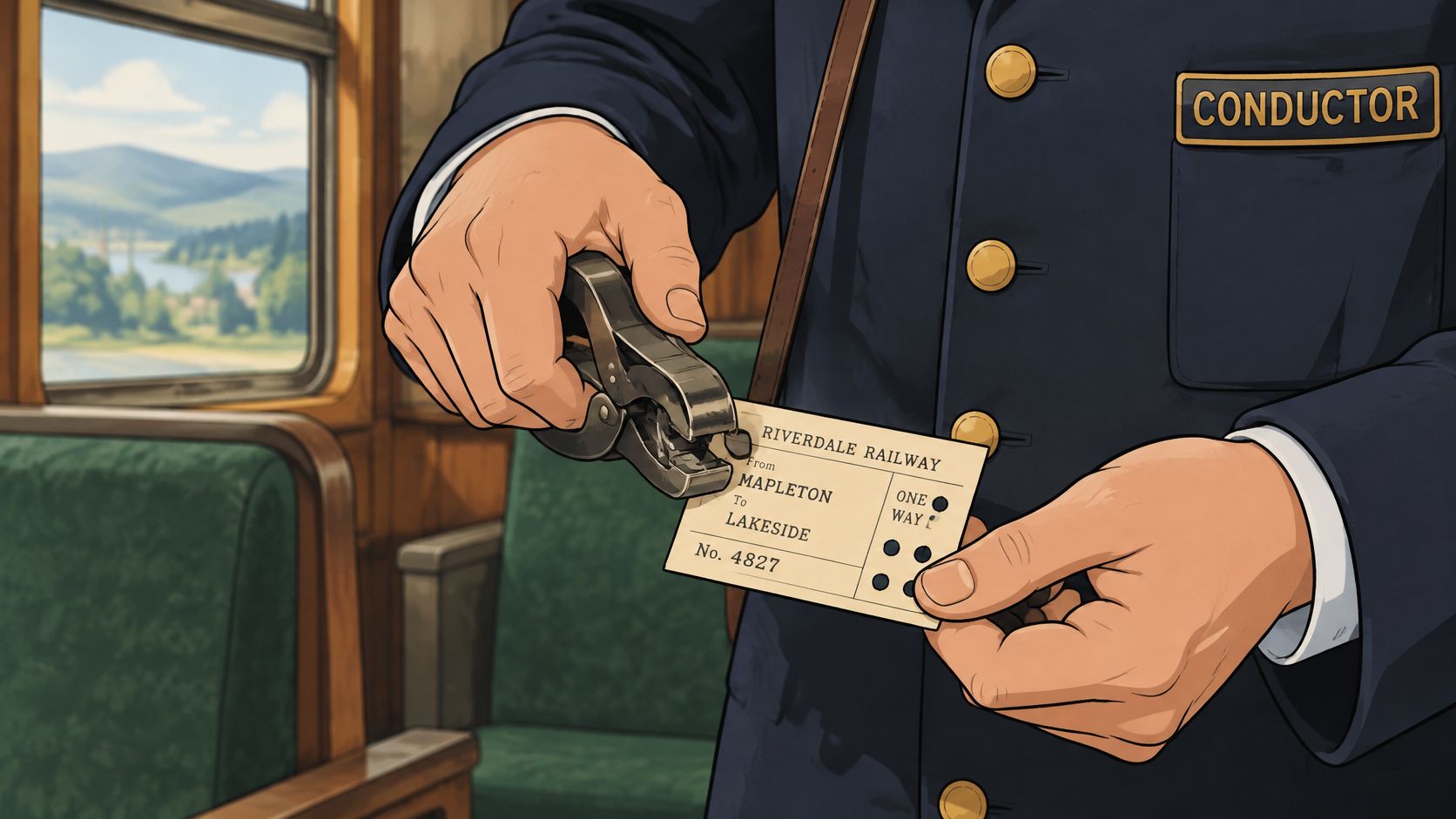
A conductor's ticket punch marked that a fare had been paid. At an event, a hand punch can mark a ticket at entry. In both cases, the mark communicates a completed action and helps staff distinguish a used ticket from one that hasn't been checked.
That's different from a loyalty stamp, which records progress toward a future reward. The distinction matters for businesses considering whether to use a punch to validate a visit, award a stamp, or redeem a benefit. One mark shouldn't try to do all three jobs unless the card clearly explains each state.
Choose the mark for the job
For a simple loyalty program, a stamp is easy to recognize and quick to apply. For admission control, staff may need a mark that makes reuse obvious. A distinctive punch pattern or a date stamp can help staff identify a validated ticket, but a manual method won't provide the detailed usage information a business might need for live reporting.
At a café, stamping once per qualifying transaction may be clearer than adding extra marks for larger baskets. That rule is easy to explain, although it may not reward higher-value orders. A spend threshold can recognize larger purchases, but it requires staff to check the total and explain how partial eligibility works. Pick the mechanic that fits the business, then write it plainly.
If a business needs to track detailed attendance or report usage as it happens, electronic validation may be more appropriate than a hand punch. For a low-complexity offer, paper remains an option, especially when staff can inspect progress at a glance. The test is practical: can customers tell what the mark means, and can staff apply it consistently?
7 Types of Punch Cards: Side-by-Side Comparison
| Example | 🔄 Implementation Complexity | ⚡ Resource Requirements | 📊 Expected Outcome | Ideal Use Cases | ⭐ Key Advantage |
|---|---|---|---|---|---|
| Café and Restaurant Loyalty Punch Cards | Low; staff stamp purchases or update a digital pass | Minimal for paper; phone and wallet system for digital | More repeat visits and visible reward progress | Cafés, bakeries, takeaways, and small food businesses | 💡 Simple, familiar rewards; digital versions reduce lost cards and ease updates |
| Salon, Spa, and Fitness Class-Pack Punch Cards | Low to moderate; track prepaid sessions and expiry terms | Printed or digital cards; booking or balance tracking system recommended | Upfront revenue, stronger client commitment, and fewer no-shows | Salons, spas, gyms, and fitness studios | ⭐ Encourages repeat bookings and provides predictable income |
| Jacquard Loom Control Cards | High initial setup; cards must be designed and sequenced for the loom | Specialized loom, card chains, and skilled setup | Automated production of complex, repeatable fabric patterns | Patterned textile manufacturing and computing-history education | 💡 Stored instructions automated intricate work and influenced later computing |
| Hollerith's Census Tabulating Machine | High; requires coded cards, machinery, and trained operators | Electromechanical tabulator, punched cards, sorting equipment, and staff | Faster, more consistent large-scale data tabulation | Census operations and other high-volume statistical processing | ⚡ Cut 1890 US census tabulation time to about two years |
| IBM 80-Column Computer Punch Cards | Moderate to high; programs must be punched, sequenced, and physically fed to readers | Keypunch machines, card readers, storage space, and card decks | Programs and data could be stored, copied, and rerun | Mainframe computing, batch processing, and computing-history study | ⭐ Standardized a portable, reusable format for early computing |
| Mechanical Time Clocks and Employee Time Cards | Low; employees clock in and out, followed by manual calculation | Mechanical time clock, individual cards, and payroll staff | Attendance records support hours and pay calculations | Factories and offices tracking employee shifts | 📊 Created a simple, tangible record of working time |
| Transit and Admission Ticket Punches | Low; attendants punch tickets and verify marks visually | Handheld punches and paper tickets; no connectivity required | Quick confirmation of paid fares or admission | Railways, trams, and event venues | ⚡ Low-cost, durable validation that works without electronic equipment |
Turn Inspiration Into Repeat Visits
The strongest punch cards make progress visible and the reward understandable. A customer should know what earns a stamp, how many more are needed, what the reward includes, and whether any conditions apply. A business should be able to answer the same questions without searching through messages or relying on one staff member's memory.
Start by deciding what counts as a punch. Visits suit businesses where customers make similar purchases; service-specific marks can make more sense for salons and spas; class packs need to distinguish attendance from a paid session. A simple offer is easier to explain, but it may not fit every margin or customer pattern. A more specific rule can protect profitability, but extra conditions can make the card harder to use. Write the rule before designing the card, then test it with staff and customers.
Paper cards are inexpensive in complexity: they're easy to hand out, familiar, and visible at checkout. They also get lost, and changes can mean reprinting. Wallet-native passes keep a digital balance on a customer's device and avoid replacing a physical card, but staff still need a reliable way to issue stamps, verify rewards, and handle questions. Offering both during a transition can accommodate customers who prefer paper while the team learns the digital workflow.
For a new program, begin with an achievable reward and make expiry terms clear. Test sign-up, stamp entry, redemption, and any exception before promoting the offer. Review the questions customers ask. If people repeatedly misunderstand which purchases qualify, revise the wording or the mechanic rather than asking staff to explain the same ambiguity at every checkout.
Loyal Customer provides digital stamp cards and points programs that merchants can manage from a phone, with loyalty passes for Apple Wallet and Google Wallet. Businesses can use a free trial to test a basic setup before deciding whether it fits their workflow. The useful next step is not choosing paper or digital; it's choosing a clear earning rule, testing it at the counter, and giving customers a card they can use.
Loyal Customer lets consumer-facing businesses create digital stamp cards or points programs and issue wallet-ready loyalty passes for Apple Wallet and Google Wallet. Try a basic program with the free trial, then visit Loyal Customer to see whether its phone-based tools fit your repeat-visit workflow.