
72% of surveyed loyalty-program members said their program made them more likely to spend with their preferred brand, according to Deloitte's 2025 survey of U.S. loyalty members. That's a better starting point for designing incentives for customers than assuming a bigger discount will always produce a better result.
A blanket discount reduces the price of purchases customers might already have planned. A well-designed incentive gives them a specific reason to return, try something relevant, or bring a friend. The distinction matters when you're running a café, salon, takeaway, or independent shop with limited room to absorb promotion costs.
The practical test is simple: can customers understand the reward, and can staff deliver it consistently during a busy checkout?
Start with the behavior: Reward the next useful action, not simply the transaction you've already won.
The options below are ranked loosely by simplicity and launch cost. Each can use an Apple Wallet or Google Wallet pass as the customer-facing card, with the merchant handling routine activity from a phone rather than requiring a separate customer app or POS integration.
There's an important boundary: a wallet pass isn't a billing system, referral engine, or booking platform. Stamps and points can form the underlying reward mechanism; more elaborate incentives may need a small manual register and separate payment or scheduling tools. Start with the simplest workflow your team can reliably operate.
Table of Contents
- 1. Digital Stamp Card (Buy X, Get One Free)
- 2. Points-Based Loyalty Program
- 3. Tiered Loyalty Program (VIP Levels)
- 4. Birthday and Anniversary Rewards
- 5. Referral Program (Refer-a-Friend)
- 6. Paid Membership or Subscription Program
- 7. Double or Bonus Points Events
- 8. Surprise and Milestone Rewards
- 9. Gamified Challenges and Streak Rewards
- 10. Exclusive Early Access and Member-Only Offers
- 10 Customer Incentive Strategies Comparison
- Start With One, Measure, Then Layer
1. Digital Stamp Card (Buy X, Get One Free)
A digital stamp card suits businesses where customers make similar purchases repeatedly. A bakery can award a stamp for a qualifying purchase, then provide a clearly defined item when the card is complete.
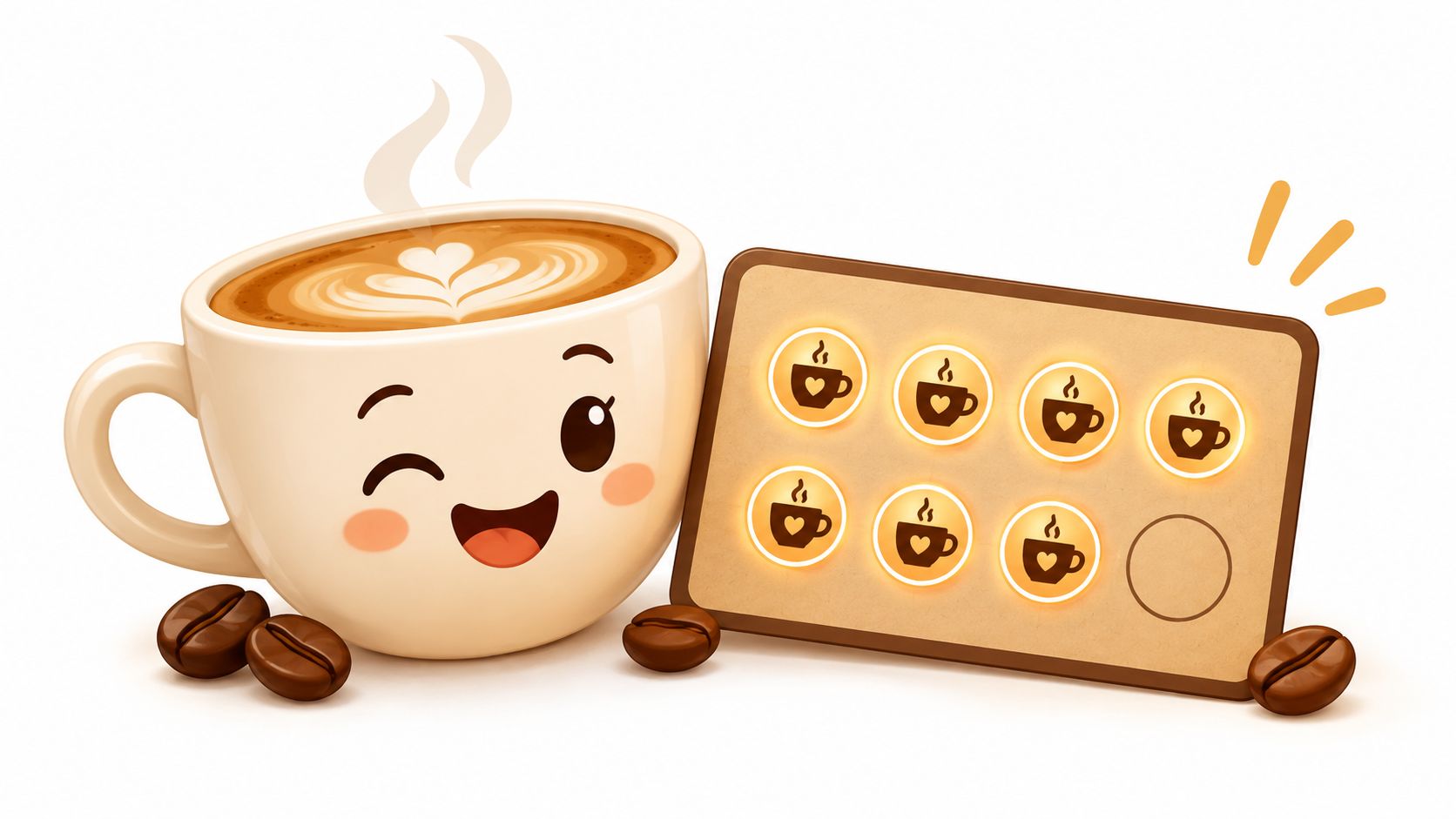
The advantage is clarity. Customers don't need to calculate a conversion rate, and staff don't need to explain a menu of redemption options. The trade-off is that a small purchase and a larger basket may receive identical recognition.
Run It From Your Phone
Configure the stamp target and completion reward in your mobile loyalty tool. Issue the wallet-ready card, then have customers save it to Apple Wallet or Google Wallet.
At checkout, confirm the qualifying purchase before adding the stamp from your phone. When the customer redeems, record redemption immediately so the same completed card can't be presented again.
- Define eligibility: State whether stamps apply per visit, qualifying item, or transaction.
- Bound the reward: Name the included product and explain how upgrades work.
- Keep staff consistent: Don't let discretionary extra stamps become the unofficial policy.
A stamp card is less suitable for a retailer with widely varying basket values. It also won't automatically distinguish your biggest spenders from customers buying the cheapest eligible item. Choose it when simplicity matters more than spending precision, and assess whether completed cards lead to another purchase afterward.
2. Points-Based Loyalty Program
Choose points when transaction values vary enough that equal stamps feel unfair. A salon selling both treatments and retail products, for example, can recognize spending through a shared reward balance.
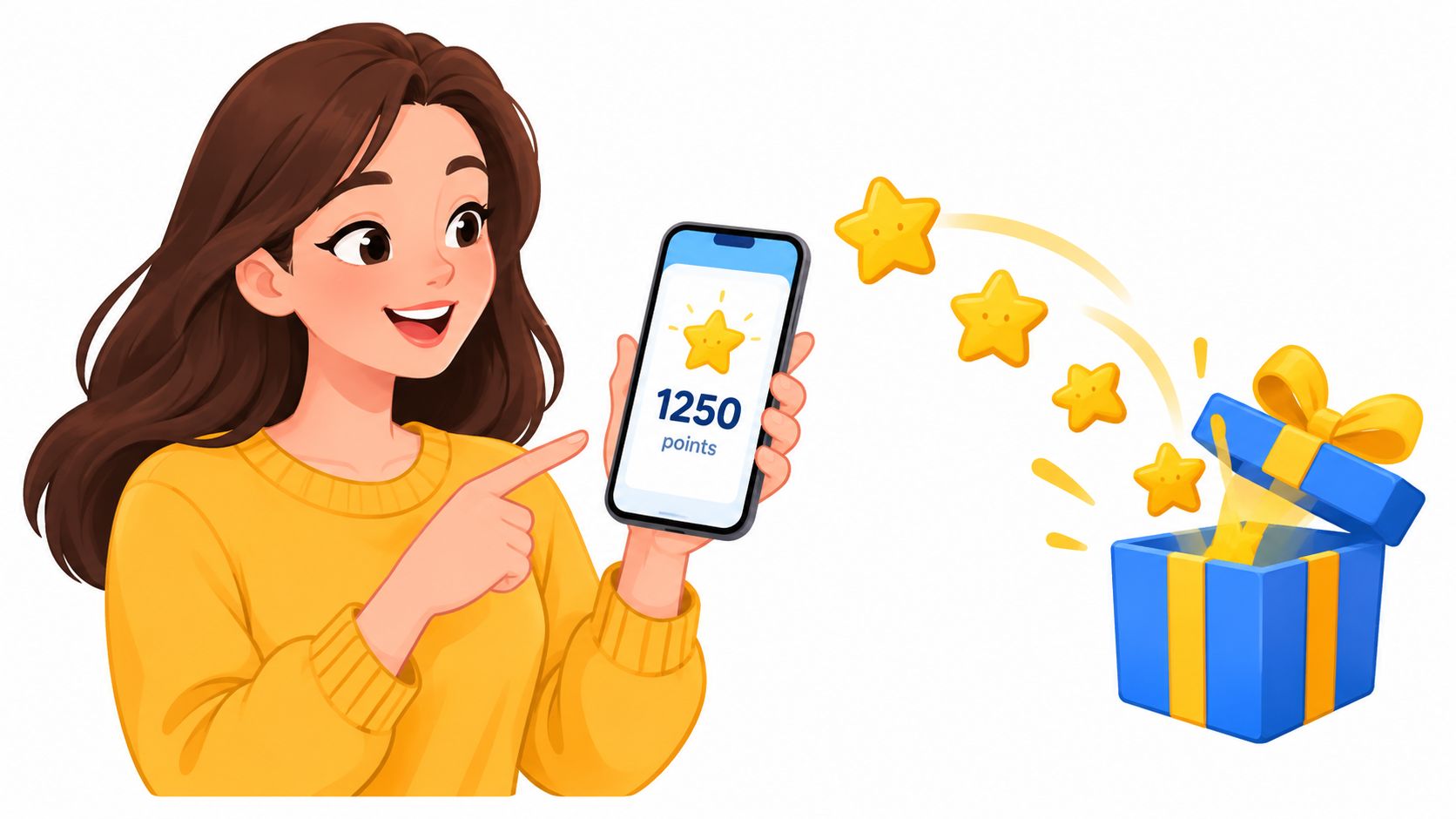
Customers earn points under a published rule and exchange them for defined benefits. A points-based loyalty program offers more flexibility than stamps, but that flexibility creates room for confusing rules.
Customers should understand what their balance can buy. A large-looking balance isn't useful if the reward remains unclear or unattainable.
Keep the Arithmetic Behind the Counter
Set your earning rule and redemption options from your phone. At checkout, confirm eligible spending, add the appropriate points, and let customers view their balance through their wallet pass.
Without a POS integration, staff must enter or verify the transaction information themselves. Decide whether refunds, discounted items, and service deposits qualify before launching.
- Best fit: Mixed-price retail, restaurants, salons, and other businesses with varied spending.
- Main advantage: Rewards can reflect purchase value rather than visit count alone.
- Main drawback: Manual entry and complicated conversion rules can slow checkout.
Keep a record of issued points and expected redemption costs. Don't treat unredeemed balances as cost-free because customers haven't used them yet.
When changing the program, explain the new rules plainly and avoid surprising customers who have already accumulated points toward a promised reward.
3. Tiered Loyalty Program (VIP Levels)
Priority access can be more useful than another discount, particularly when customers value appointment availability, specialist attention, or limited-capacity services. A tiered program assigns benefits according to a published spending or visit threshold.
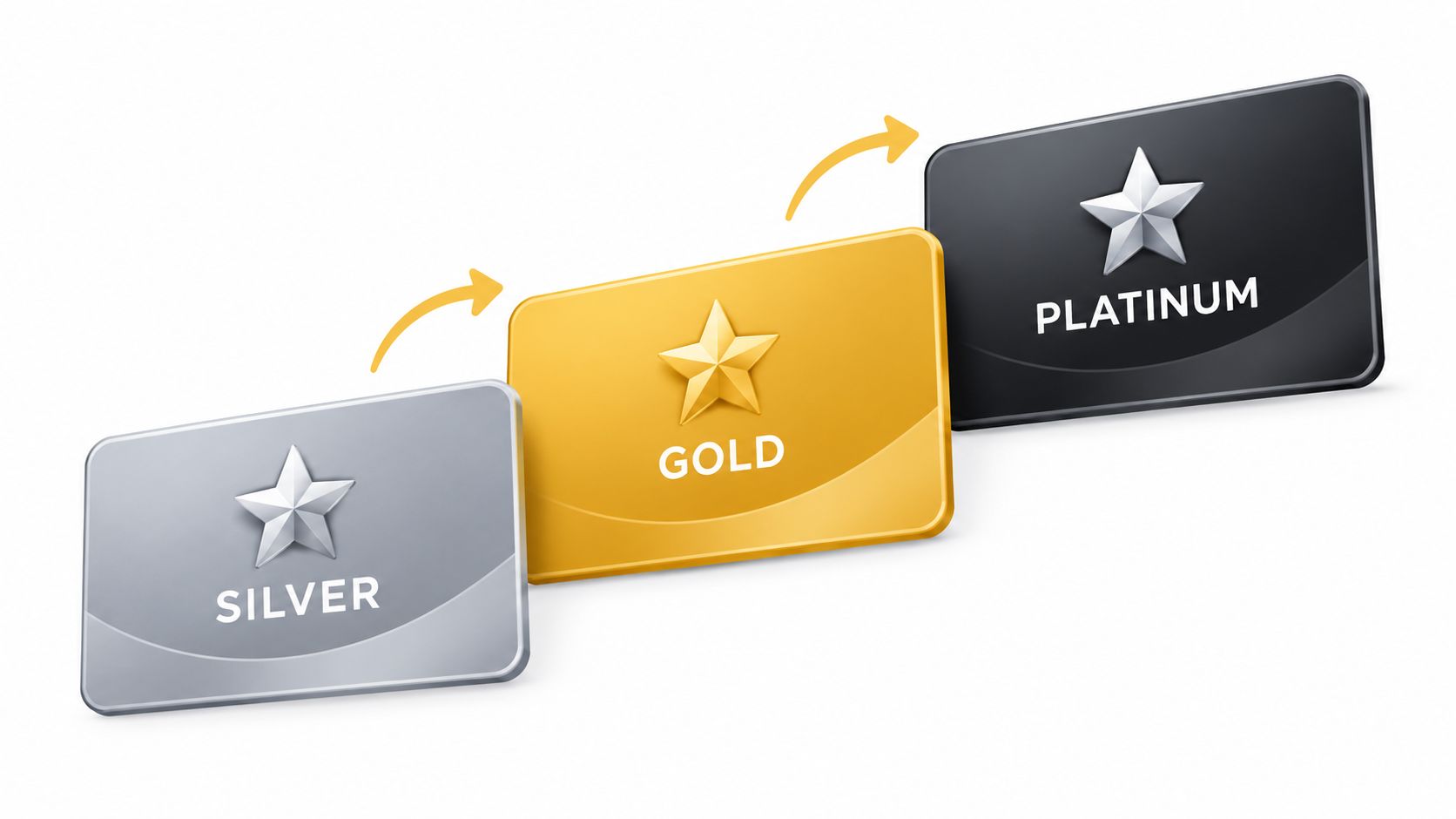
A fitness studio might offer established regulars earlier booking access. A salon could provide first notice of appointment openings rather than reducing every treatment price.
The challenge is administration. You need to define qualification, review status consistently, and deliver the promised benefits without displacing full-price business you would otherwise receive.
Use the Pass as Proof, Not the Rules Engine
Start with points or stamps as the underlying activity record. Review qualification from your phone and maintain a simple member-status register; display status on the pass only where your chosen tool supports editable membership fields.
Customers can present their Apple Wallet or Google Wallet card at reception. Staff then verify the applicable benefit against the current record.
A VIP benefit should recognize regular customers without making everyone else feel poorly served.
Keep the entry-level experience worthwhile, and explain any qualification window or status expiry before customers join. For a fitness business, this guide to starting a gym loyalty program provides a relevant planning starting point.
Tiers make sense when regular customers value differentiated service. They're unnecessary complexity if the only distinction is a slightly larger discount.
4. Birthday and Anniversary Rewards
A birthday pastry or customer-anniversary upgrade gives staff a natural opportunity to recognize someone personally. The reward should feel relevant without requiring customers to disclose more information than necessary.
Deloitte found that nearly three in four surveyed consumers wanted personalized loyalty rewards, while only 45% of brands offered them, highlighting a gap between customer preferences and delivery in its research on personalized loyalty rewards.
That doesn't mean a small merchant needs an elaborate customer profile. An optional birthday month or recorded joining date may be enough for this particular incentive.
Make the Occasion Easy to Redeem
Collect the relevant date with a clear explanation of its purpose. From your phone, review eligible customers and apply the reward through the supported points or stamp workflow.
Where your wallet tool supports offer fields, show the reward and expiry on the pass. Otherwise, send an opted-in message explaining that the customer should present their wallet card for identification.
- Choose a bounded benefit: An included add-on is easier to cost than an unrestricted purchase discount.
- Publish the window: Explain when the reward becomes available and expires.
- Record redemption: Mark it used as soon as staff provide the benefit.
Don't assume wallet notifications are guaranteed or that date-based automation is included. Verify those capabilities before relying on them.
Birthday rewards are a supplement, not a complete retention strategy. Customers still need reasons to visit between personal occasions.
5. Referral Program (Refer-a-Friend)
A referral incentive rewards an existing customer after someone they introduce makes a qualifying purchase. Offering the newcomer a welcome benefit can make the invitation easier to share.

For an Instagram seller, that invitation might travel through a direct message. A salon customer might send a friend a short message explaining the service and referral conditions.
Reward a completed purchase, not just a shared link. Otherwise, you're paying for activity without knowing whether it brought useful business.
Track the Introduction Separately
Use a phone-accessible register to assign a referral identifier and record who introduced whom. Give customers a short message they can share through WhatsApp, Instagram, or text.
When the newcomer purchases, verify eligibility and record attribution before adding the earned points or stamps to the referrer's account. The wallet pass holds the resulting reward balance; it doesn't need to perform referral attribution itself.
- Control duplication: Define whether household members, existing customers, or self-referrals qualify.
- Protect economics: Include the newcomer's benefit and referrer's reward when calculating acquisition cost.
- Resolve disputes early: Publish how competing referral claims will be handled.
These customer referral program examples and planning considerations can help shape the offer.
Manual tracking is workable at modest volume, but it requires discipline. Don't describe referrals as automatically tracked unless your actual software provides that capability.
6. Paid Membership or Subscription Program
A membership asks customers to pay for an ongoing package of benefits. That makes the offer different from a free stamp card: customers must see enough continuing value to justify renewal.
For a salon, the package might include a defined maintenance service and selected extras. For a gym, it might combine access with clearly limited member benefits.
Avoid unlimited promises unless you've tested the usage economics. Frequent use can make an attractive-looking package expensive to fulfill, particularly when appointments or products have meaningful variable costs.
Separate Payment From Membership Recognition
Use your payment provider to manage recurring charges and cancellation. Keep a phone-accessible membership record showing whether each customer is active, paused, or expired.
Customers can present their Apple Wallet or Google Wallet loyalty card when claiming benefits. Verify current eligibility, then record any included redemption in your mobile register or supported rewards workflow.
The wallet card is the customer-facing credential. It isn't evidence that a recurring payment succeeded unless you've checked the billing record.
Cost the heavy-user scenario: A membership should remain workable when customers actually use the benefits you advertise.
Publish billing frequency, exclusions, cancellation terms, and benefit limits before accepting payment. Explain what happens to unused benefits and how staff handle failed payments.
This model suits customers with an established recurring need. It's a poor first experiment when you don't yet understand normal visit frequency or service costs.
7. Double or Bonus Points Events
Use bonus events to encourage a specific visit pattern, such as purchasing during a quieter trading period. Customers earn additional points or stamps under a temporary, clearly stated rule.
Unlike a permanent discount, a bonus event can leave the normal shelf price unchanged. But the reward still has a cost, and customers may shift an already-planned purchase into the promotional window.
KPMG's international research found that about 87% of respondents cited discounts as a main reason for using loyalty programs, according to its retail loyalty analysis. Savings appeal doesn't remove the need to test profitability.
Put the Conditions Where Customers Can Find Them
Define the eligible period, products, and bonus before announcing the event. Communicate through an opted-in channel, and update the wallet pass's offer text where supported.
At checkout, staff confirm eligibility and add the standard reward plus the advertised bonus from their phone. Don't assume the system applies promotional multipliers automatically.
- Target useful capacity: Choose periods when you can serve additional demand comfortably.
- Keep exclusions visible: Explain whether existing offers can be combined.
- Check displacement: Look for reduced purchasing immediately before or after the event.
Compare the promotion with similar non-promotional periods, while accounting for obvious trading differences. If regular customers postpone purchases until bonus days, reduce the frequency or change the qualifying behavior.
8. Surprise and Milestone Rewards
A surprise reward and a milestone reward serve different purposes. The former is unexpected recognition; the latter celebrates an achievement customers can understand and anticipate.
A café might offer an occasional product upgrade to an established regular. A beauty business could recognize a customer anniversary with a relevant add-on.
Keep the normal program dependable and the extra reward genuinely additional. Customers shouldn't need a surprise gift to receive the value they were already promised.
Give Staff a Clear Decision Rule
Use the existing points or stamp record to identify milestones you can verify. Review qualifying customers from your phone, apply the available reward, and record its cost and redemption.
For a surprise benefit, define staff discretion in advance. A short note in a phone-accessible register can prevent repeated gifts to the same familiar customers while quieter regulars receive nothing.
- Budget the benefit: Choose gifts or upgrades with a known fulfillment cost.
- Respect preferences: Offer a suitable alternative when the original reward isn't useful.
- Explain recognition: For milestones, tell customers what you're celebrating.
The customer can present their wallet card for identification and redeem through the usual workflow. Use a pass update or notification only if your tool supports it, rather than promising automatic surprise delivery.
This incentive needs thoughtful staff execution. A small, relevant gesture can fit the relationship better than a generic discount, but arbitrary treatment can leave customers questioning fairness.
9. Gamified Challenges and Streak Rewards
A challenge gives customers a defined task and a completion reward. A bakery might encourage exploration of a product category; a fitness studio might recognize consistent attendance within a published window.
The practical appeal is variety. Instead of changing the underlying loyalty program, you temporarily reward a behavior that supports your business.
Don't make customers decode a game before buying a coffee. If staff need a lengthy explanation, simplify the challenge.
Turn Existing Stamps Into Progress
Configure a dedicated stamp campaign if your tool supports separate cards. Otherwise, keep a clearly labeled challenge register on your phone so ordinary loyalty progress doesn't get confused with promotional progress.
Customers save or present their Apple Wallet or Google Wallet card as usual. Staff verify the qualifying action, record progress, and issue the completion reward through the available points or stamp workflow.
- State completion clearly: Name the eligible action, deadline, and reward.
- Avoid hidden resets: Explain whether missed visits erase progress.
- Offer an accessible path: Don't require a purchasing rhythm that occasional customers can't reasonably maintain.
Be especially cautious with streaks. Customers may find an interrupted streak frustrating, so a cumulative challenge can be more forgiving than consecutive-visit requirements.
Track completion and subsequent purchasing separately. A customer finishing a challenge isn't necessarily developing a lasting habit, and the reward may only have subsidized behavior they already intended.
10. Exclusive Early Access and Member-Only Offers
Early access works when customers already want what you're releasing. Think seasonal bakery products, a limited retail collection, or advance booking for a popular workshop.
It's not a substitute for an appealing offer. Calling ordinary stock exclusive won't make the benefit meaningful.
Research also supports leaving room for customer choice: 51% of surveyed consumers expected loyalty offers customized at least by category, while 26% wanted purchase-history personalization, according to the Snipp Shopper Loyalty Survey. Letting members select relevant categories can be a practical alternative to collecting detailed profiles.
Verify Membership Without Adding Checkout Complexity
Keep eligibility broad where possible: an active loyalty card may be enough. Announce the release through an opted-in message and use editable wallet offer fields where available to display the access window.
At collection or checkout, ask customers to present their Apple Wallet or Google Wallet card. Verify eligibility from your phone, then record any limited entitlement as claimed.
- Reserve real availability: Don't invite members to access inventory you haven't allocated.
- Set expectations: Explain quantity limits and whether access guarantees a purchase.
- Protect goodwill: Keep a reasonable public purchasing route for non-members.
Member-only bundles can preserve headline prices, but they still need costing. Priority booking also has an opportunity cost when it displaces other customers.
Choose access benefits because customers value them, not because they appear inexpensive to advertise.
10 Customer Incentive Strategies Comparison
| Loyalty Program | 🔄 Implementation Complexity | Resource Requirements | 📊 Expected Outcomes | Ideal Use Cases | ⭐ Key Advantages |
|---|---|---|---|---|---|
| Digital Stamp Card | Low | Minimal setup; staff add stamps at checkout | More repeat visits as customers work toward a fixed reward | Cafes, bakeries, tea shops | ⚡ Simple, familiar, low-cost, and easy to track |
| Points-Based Program | Medium | Points and reward rules; transaction tracking and clear communication | Increased repeat spending; useful data for customer targeting | Retail, salons, gyms, restaurants | 💡 Flexible rewards that can scale with customer spend |
| Tiered Program (VIP Levels) | High | Several benefit levels; ongoing qualification and cost management | Higher spend and stronger retention among valuable customers | Businesses with frequent customers or premium services | ⭐ Recognizes top customers and creates aspirational goals |
| Birthday and Anniversary Rewards | Low–Medium | Date collection, automated delivery, and redemption rules | A timely visit and stronger customer goodwill | Restaurants, retail, salons, service businesses | 💡 Personal recognition with relatively low reward cost |
| Referral Program | Medium | Referral links or codes; attribution and abuse controls | New-customer acquisition through trusted recommendations | Businesses with shareable products or services | ⚡ Pay-for-performance acquisition; easy to share digitally |
| Paid Membership or Subscription | High | Recurring billing, benefit limits, usage tracking, and cancellation terms | Predictable revenue and increased member commitment | Gyms, coffee shops, salons, recurring services | 📊 Recurring income and strong retention potential |
| Double or Bonus Points Events | Low–Medium | Promotion schedule, customer messaging, and staff coordination | Short-term visits or sales uplift during targeted periods | Businesses seeking to fill slow periods | ⚡ Creates urgency without permanently changing base rewards |
| Surprise and Milestone Rewards | Low–Medium | Reward budget; staff consistency or automated milestone tracking | Memorable experiences, goodwill, and word-of-mouth | Any business with repeat customers | ⭐ High perceived value from modest, personal rewards |
| Gamified Challenges and Streaks | Medium–High | Challenge design, progress tracking, and regular refreshes | More frequent visits and engagement with targeted behaviors | Gyms, cafes, and businesses encouraging new habits | 💡 Adds variety and makes progress visible |
| Early Access and Member-Only Offers | Low–Medium | Inventory or booking planning; member communications | More sign-ups, loyalty, and interest in new or limited items | Retail, bakeries, salons, event-based businesses | ⭐ Builds exclusivity with low marginal cost |
Start With One, Measure, Then Layer
Choose the incentive that matches normal customer behavior. Stamps suit frequent, relatively similar purchases; points suit variable spending; tiers or memberships suit established regulars who value differentiated benefits.
Don't launch all of them together. If customers can't explain the base reward, adding birthdays, challenges, and referral bonuses will make staff training and measurement harder.
Loyal Customer supports phone-managed points programs and digital stamp cards with Apple Wallet and Google Wallet passes. Those core workflows can underpin the ideas above, while referrals, paid billing, tier reviews, and special eligibility rules may require separate records or tools rather than built-in automation.
Establish the Baseline Before Adding Complexity
Write down the qualifying purchase, reward, exclusions, and redemption procedure. Cost the benefit using what you spend to provide it, including any capacity it consumes.
Then launch the wallet-native pass from your phone and practice the complete checkout sequence with staff. Test enrollment, accrual, redemption, and a mistaken entry before promoting the program widely.
- Measure repeat behavior: Track whether participating customers return, not only whether they enroll.
- Measure reward use: Record redemptions, outstanding rewards, and fulfillment costs.
- Measure economics: Review eligible spending and contribution after reward costs.
- Record friction: Note confusing rules, checkout delays, and disputes.
Allow the program to run through a meaningful repeat-purchase cycle before layering another incentive. A café and a salon shouldn't use the same evaluation window just because their software is identical.
Where practical, compare results with similar customers receiving no additional offer. Treat the comparison cautiously if groups differ substantially, and don't assume every rewarded purchase was caused by the incentive.
Add the Next Incentive to Solve a Specific Problem
If customers enroll but don't return, examine whether the reward is relevant and attainable. If they return but rarely redeem, check whether staff explain the process and whether the benefit is worth claiming.
If the base program works but quieter periods remain a problem, test a targeted bonus event. If satisfied regulars already recommend you, formalize referrals with clear attribution and a bounded reward.
Keep basic rewards accessible to occasional and privacy-conscious customers. Ask only for information needed to operate the offer, explain its use, and provide a straightforward non-personalized route.
The best next incentive is the one that addresses an observed problem without creating an unmanageable workflow. Start small, preserve clear rules, and expand only when customer behavior and reward economics justify it.
Loyal Customer offers phone-managed points programs and digital stamp cards that customers can keep in Apple Wallet or Google Wallet. Visit Loyal Customer to start a free trial, configure a clear reward, and test the earning and redemption workflow before inviting your customers.