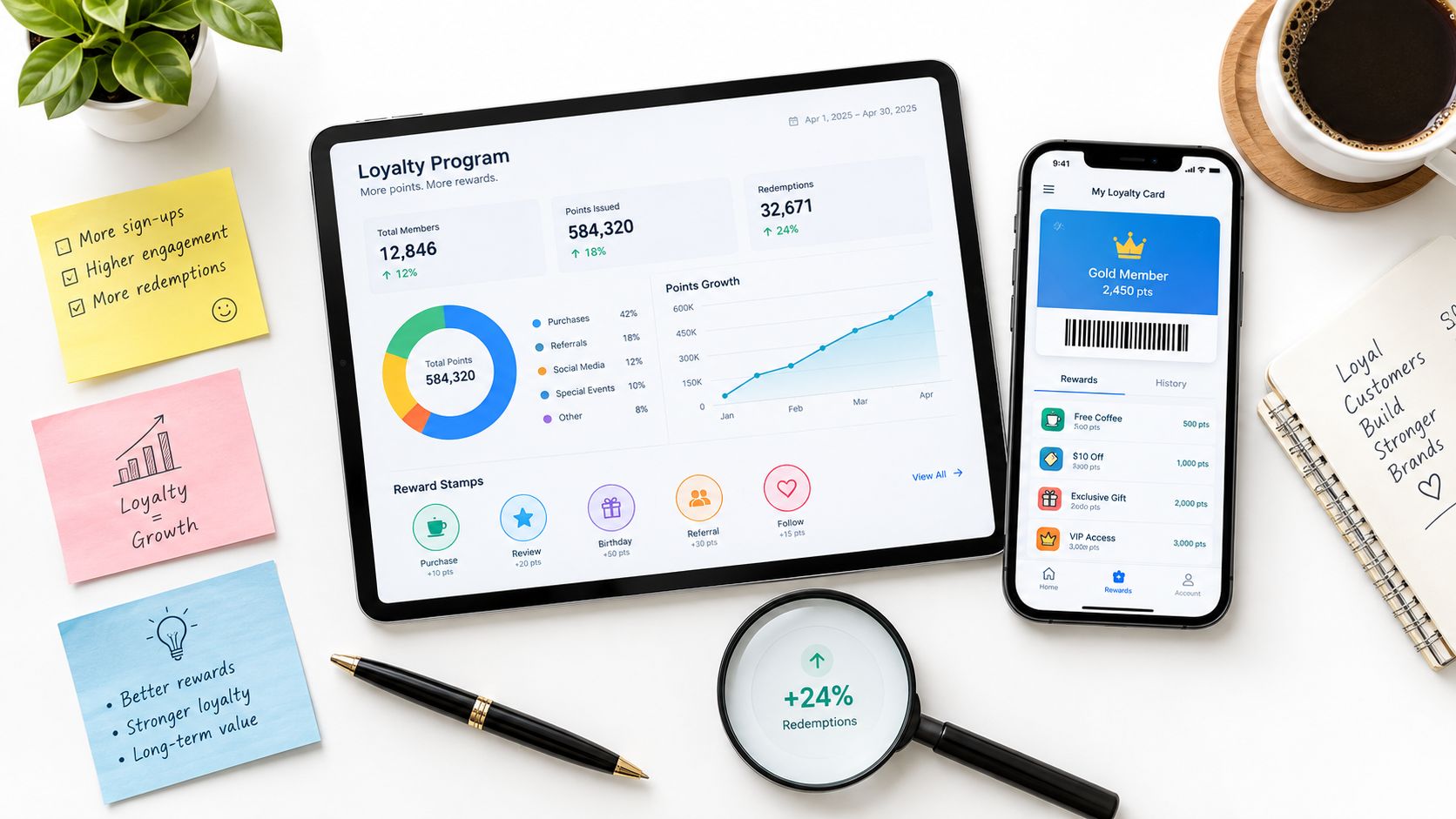
A rewards program succeeds when customers understand the value, can earn without friction, and have a compelling reason to return. That sounds obvious, but the scale of participation makes execution harder: a 2026 report found that 90% of consumers belong to at least one loyalty program, while 2024 research found that the average U.S. consumer belongs to more than 15 programs, according to BCG. Stores with rewards programs aren't competing for enrollment alone. They're competing to become one of the few programs customers actively use.
The seven examples below aren't ranked. Each uses a different retention mechanism, including tiers, accelerators, auto-applied savings, store credit, gamification, and subscriptions. The useful question is what each program makes easy, where the customer experience creates friction, and which tactic a smaller merchant can adapt without rebuilding a global app ecosystem. Points programs, stamp-style simplicity, and wallet-native passes all have a place. Mobile-first tools such as Loyal Customer also let businesses test points or digital stamps through Apple Wallet and Google Wallet, without requiring a standalone app.
Table of Contents
- 1. Starbucks Starbucks Rewards
- 2. Sephora Beauty Insider
- 3. Ulta Beauty Ultamate Rewards
- 4. Target Target Circle
- 5. CVS Pharmacy ExtraCare
- 6. Chipotle Chipotle Rewards
- 7. Panera Bread MyPanera and Sip Club
- Top 7 Store Rewards Programs Comparison
- Turn Big-Brand Tactics Into a Smaller Program
1. Starbucks Starbucks Rewards
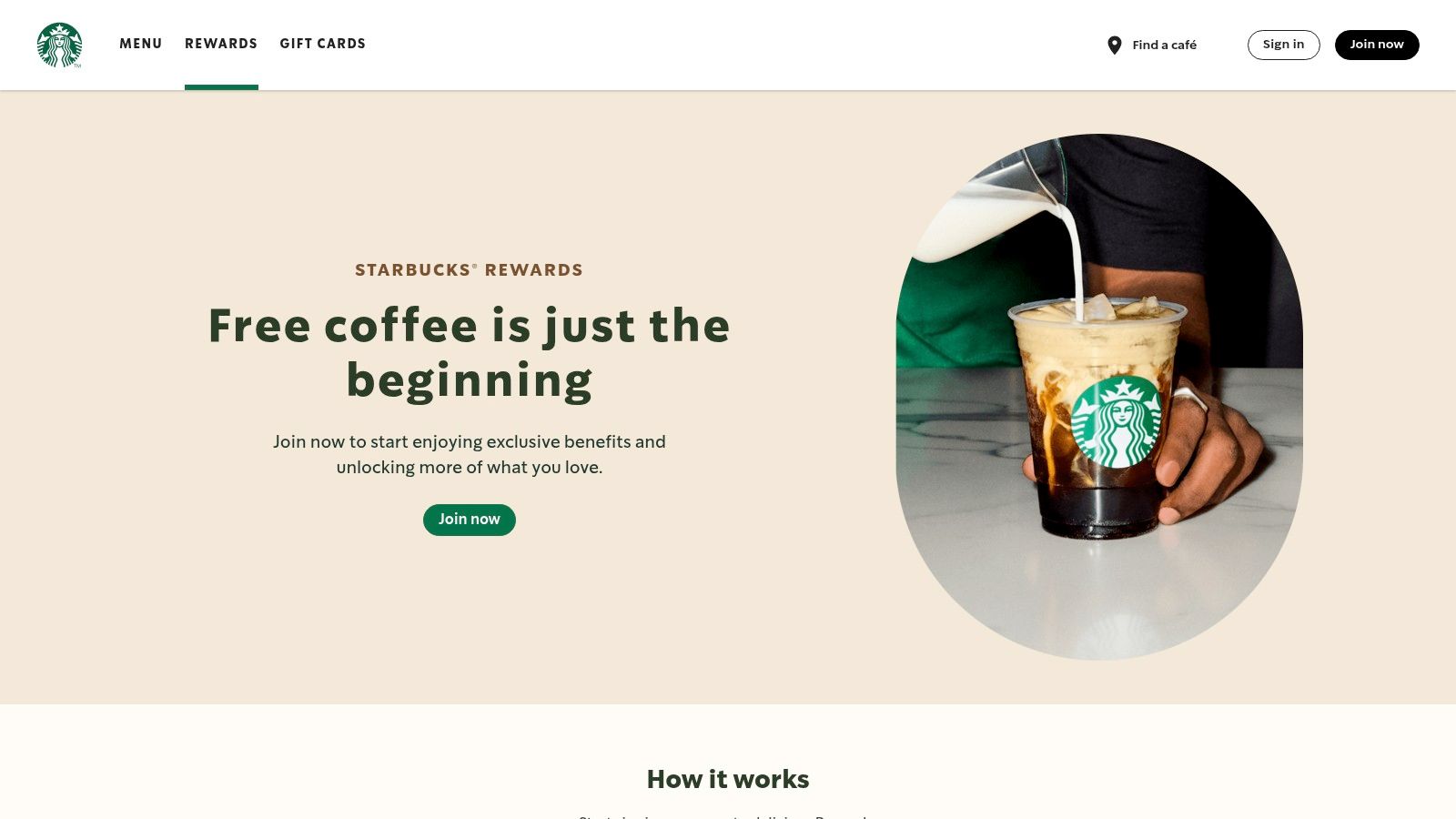
Starbucks Rewards turns routine purchases into a mobile habit. Customers earn Stars when they buy food or drinks, then exchange those Stars for eligible rewards. The program works across the Starbucks app, website, and stores, with the barcode scan acting as the bridge between the digital account and the checkout interaction. Starbucks Rewards demonstrates how loyalty becomes more useful when payment, ordering, personalization, and rewards live in the same customer flow.
Its strongest retention mechanism is a combination of tiers and accelerators. The current structure gives members different status levels with escalating benefits, while bonus-Star opportunities encourage customers to reload digitally, visit during promotional events, or respond to targeted offers. That creates several reasons to return, not just one distant reward.
The trade-off is complexity. Capped-value redemption levels can make Stars harder to value than a simple “buy nine, get the tenth free” card. Lower-status members may also need to maintain activity to protect their balances or status, which can motivate frequent customers but frustrate occasional visitors.
What smaller merchants can adapt
A café doesn't need Starbucks' app, payment infrastructure, or promotional calendar. It can borrow the accelerator instead:
- Reward the next visit: Offer an extra stamp or points bonus during a quiet period.
- Create one clear milestone: Give members a visible benefit for returning within a defined window.
- Keep redemption understandable: If customers need a calculator to know what their balance is worth, the system is too complicated.
- Use the phone customers already have: A digital pass can show the balance or stamp progress without forcing another download.
Practical rule: Use accelerators to change visit timing, not to obscure the underlying reward.
For a café comparing a points system with a digital stamp card, this guide to café loyalty apps offers a useful starting point. The Starbucks lesson isn't “add more promotions.” It's “make the next action obvious.”
2. Sephora Beauty Insider
Sephora turns loyalty into a reason to browse, buy, and return. Beauty Insider combines points, status tiers, and a reward catalog across the retailer's digital and physical channels. Members earn points on eligible purchases, then choose from the Beauty Insider Rewards Bazaar. Beauty Insider shows how a retailer can make loyalty feel connected to discovery instead of treating it as a passive discount account.
Its main retention mechanism is accelerated earning tied to engagement. Customers earn at the standard rate, while limited-time multiplier events make selected purchases more valuable at a specific moment. Tiers add status-based benefits for frequent shoppers, and desirable or limited rewards create a reason to check the catalog before buying.
The model suits a category built around product discovery, samples, launches, and repeat experimentation. It also carries operational risk. Popular rewards can sell out, and purchases through eligible partner channels may not always earn points. A smaller merchant should promise only benefits it can keep available and track consistently.
A practical adaptation can be small:
- Offer a standard earning rule: State what each purchase contributes before payment, whether the unit is a point, visit, or service.
- Run occasional multipliers: Use a short bonus period to support a quiet day, introduce a product, or fill appointments.
- Make rewards desirable, not random: A treatment upgrade, useful accessory, curated sample, or early-access invitation can feel more relevant than a generic discount.
- Protect availability: Keep the featured reward in stock, set a clear limit, or provide comparable alternatives.
Merchant test: Run one multiplier around a new product or slow service period, then measure whether members return sooner or simply spend more during the promotion.
A points program fits businesses with varied purchase values and several sensible redemption options. Before launch, define how customers earn, how balances accumulate, and what they can redeem. This explanation of points-based loyalty programs outlines those mechanics for merchants planning a points system.
The catalog should create anticipation without making customers chase unavailable rewards. Sephora also demonstrates the value of benefits that are experiential rather than purely monetary. A salon, specialty retailer, or independent shop can offer a consultation, first access to a new service, or a members-only event without building a national marketplace. The adaptable lesson is to pair a clear earning accelerator with a reward customers already want.
3. Ulta Beauty Ultamate Rewards
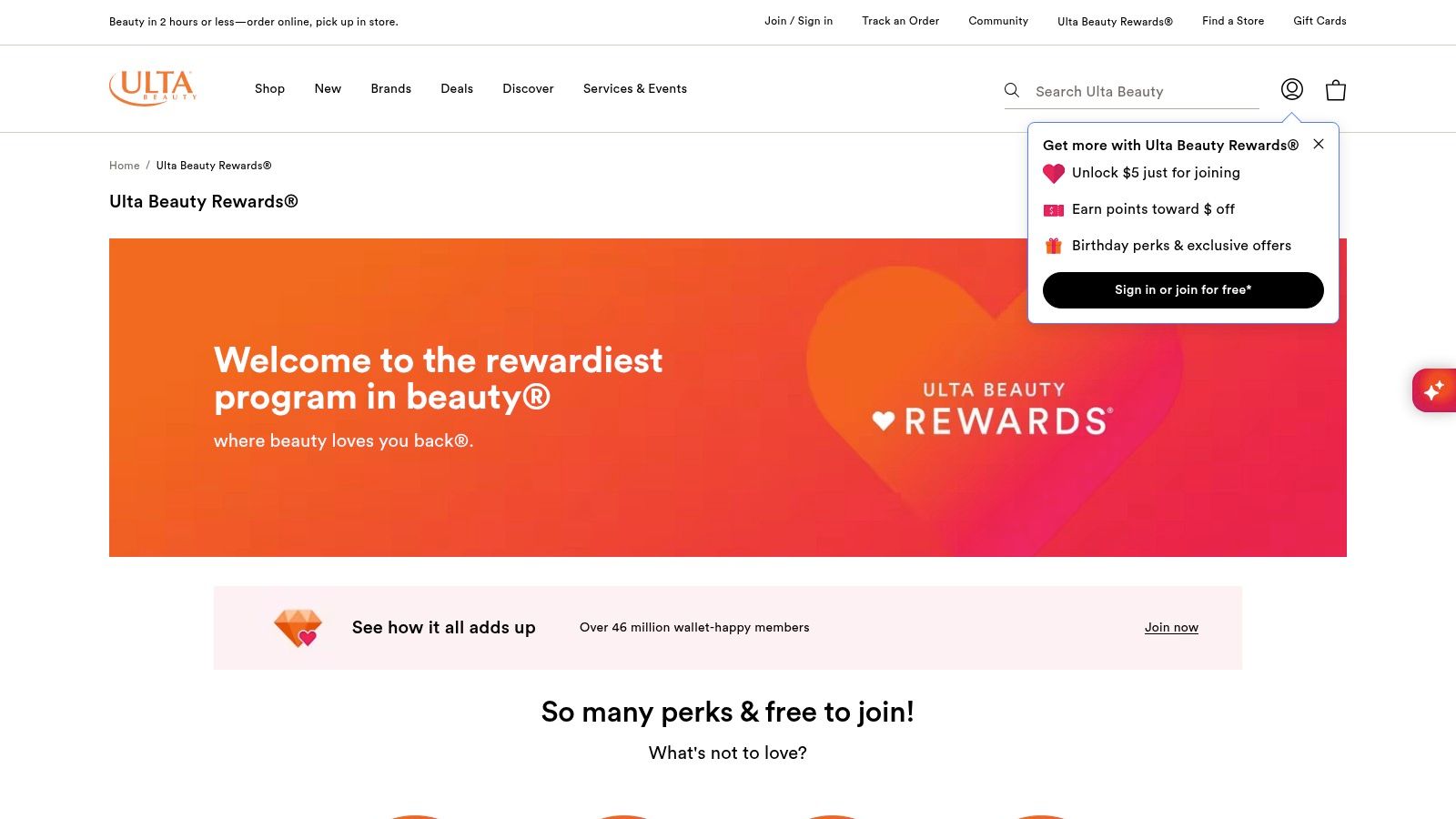
Ulta Beauty's retention mechanism combines status with earning speed. Members earn points from purchases, redeem them for dollar-value discounts, and receive stronger earning rates as they reach higher status levels. Multiplier promotions give customers a reason to shop during selected periods, while a co-branded card can increase earning for shoppers who want a closer relationship with the brand. Ultamate Rewards presents the value clearly at redemption: the accumulated balance lowers the cost of a future purchase.
The program's strongest feature is its store-credit feel. Customers do not have to select from a narrow reward catalog or wait for a particular product. They apply points as a discount, so the balance functions more like stored value than a game.
That clarity comes with a trade-off. The program rewards customers who understand the rules and shop often. Base-level points can expire when members do not meet the program's requirements, while higher status offers a stronger return. A casual shopper may therefore view the same program as less generous than a frequent customer does.
Build the value ladder before adding tiers
A smaller retailer can adapt Ulta's model without copying its full ecosystem. Start by defining the relationship between these three parts:
- Earning speed: Decide whether points accrue per visit, per purchase amount, or through selected promotions.
- Reward value: State exactly what the balance buys, such as a discount, product, treatment, or service upgrade.
- Status benefit: Give higher tiers a visible improvement, such as faster earning, a free add-on, or priority booking.
The order matters. Customers need to understand the basic reward before a tier can feel worthwhile. A shop might award points on every purchase and permit redemption once members reach a clearly displayed threshold. A salon could let customers apply the balance to a treatment or product rather than limiting redemption to one item.
Use accelerators selectively. A short multiplier can support a new product or a quiet trading period, but frequent bonuses may train customers to delay purchases. The practical test is whether the promotion brings customers back sooner, not only whether it increases one transaction.
Expiry rules also need prominent treatment. They can protect margins, yet hidden or complicated conditions weaken trust. Show the date and the consequence before the customer completes an earning action, and make the rule easy to find near redemption.
4. Target Target Circle
Target makes loyalty feel like a checkout feature rather than a separate points account. Its auto-applied savings can use a member's phone number, account, or app barcode, so eligible discounts appear without clipped coupons or remembered codes. The program also offers member events and birthday benefits, while Target Circle 360 adds a paid subscription layer. Target Circle shows how convenience itself can become a retention mechanism.
The customer does not need to choose when to redeem points or track progress toward a reward. The saving appears when the purchase qualifies, which suits shoppers who want a benefit but will not manage a complex account.
That low-effort design has a clear trade-off: several participation levels can make the offer harder to understand. Free membership, paid delivery benefits, and cardholder advantages need separate explanations. Target's move away from its earlier earning structure also shows why a familiar benefit requires clear communication when it changes.
Where the model works
Automatic savings are most useful when the merchant has varied baskets and wants to influence the next purchase without asking customers to collect toward a distant reward. A percentage discount, product-category offer, birthday benefit, or return-visit incentive can fit more naturally than a fixed stamp card.
A smaller business can test the mechanism with a limited operating setup:
- Link the account to a phone number so staff can identify the customer before checkout.
- Start with one relevant offer instead of broad personalization. Apply it automatically when the customer buys a selected category or returns within a defined period.
- Keep free and paid value separate. A basic rewards account should remain understandable before a subscription is introduced.
- Confirm the saving on the receipt or digital pass, giving customers a record of what they received.
Design principle: An automatic offer should be visible after checkout and easy to understand before the next visit.
Operational consistency determines whether the promise holds. If an offer works online but not in-store, or depends on staff remembering a manual step, customers experience the program as unreliable. Small merchants should test every redemption path themselves, including account lookup, qualifying purchases, and the receipt message.
Start with fewer rules than the technology seems to allow. A simple offer that applies correctly will build more trust than a personalized system that creates uncertainty at checkout.
5. CVS Pharmacy ExtraCare
CVS builds repeat visits around store credit. Members earn ExtraBucks Rewards through qualifying purchases and promotions, then apply that value to a later basket. App tracking and send-to-card functionality connect digital offers with the in-store transaction. CVS ExtraCare makes the completed purchase part of the next purchase decision.
The mechanism works because the benefit has a clear use. Customers can see that today's activity creates value for a future basket, while the retailer keeps redemption inside its usual checkout process. Store credit also gives a broad assortment more ways to bring a customer back than a reward tied to one product.
The trade-off is rule clarity. CVS may exclude prescriptions, gift cards, fees, and other categories, and issued rewards can have expiration windows. As exclusions and promotional conditions increase, customers need a simple explanation of what earns credit, where it applies, and when it ends.
A smaller retailer can keep the model narrow:
- Choose qualifying purchases: Exclude only products or services where the margin requires protection.
- Issue a clear reward: Show the credit amount, eligible uses, and expiry date at the time it is issued.
- Make redemption visible: Display available credit on the receipt, digital pass, or customer account.
- Avoid stacking confusion: State whether credit can combine with sale prices or other offers.
A bakery could issue credit after a customer reaches a spend threshold. A salon could apply credit to a future service or product. In both cases, the reward should encourage a profitable next visit rather than reduce the price of a purchase the customer already intended to make.
Store-credit test: Can a customer understand the balance, qualifying action, and redemption rule without asking staff?
CVS also separates base earning from promotional earning. A stable base rule gives customers a predictable reason to return. Temporary promotions can shift demand toward a category or slower period, but frequent exceptions may train customers to delay purchases until the next offer. Smaller merchants should establish the base rule first, then add occasional promotions only when the timing or category supports them.
6. Chipotle Chipotle Rewards
Chipotle Rewards turns routine ordering into a repeatable digital game. Its points with gamification model lets customers earn through app and web purchases, then exchange points for food, merchandise, charitable options, or other listed rewards. Badges, promotional drops, birthday benefits, and themed events give members reasons to return to the app between orders. Chipotle Rewards makes participation feel active rather than purely transactional.
The reward catalog gives points several possible destinations. Customers who do not want another menu item can select a different benefit, while limited-time drops add urgency. Chipotle also gains a direct channel for promotions and brand-led messages.
That design has clear trade-offs. Time-boxed offers may be hard to access, popular rewards can run out, and stacking may be limited to one benefit per order. A missed drop can create more frustration than excitement, especially if customers cannot see a practical alternative.
A small restaurant can test the mechanism without building a large reward marketplace. Start with one action tied to a commercial goal:
- Create a visit challenge: Reward customers after a defined number of visits within a period.
- Add a surprise milestone: Offer a small bonus for an action such as trying a seasonal item.
- Use drops carefully: Release a limited reward only when inventory and staff capacity are certain.
- Give customers a fallback: Provide an alternative of similar value if a popular reward disappears.
The mechanic should influence profitable behavior. A weekday bonus can help balance demand, while a new-item challenge can encourage trial. Customers should not have to complete irrelevant tasks to keep the app active.
Keep the rules visible. State how customers earn points, which rewards are available, whether benefits can be combined, and when a promotion ends. A short menu note, receipt message, or account screen can answer those questions before frustration reaches staff.
For restaurants, this overview of customer loyalty programs explains how points and digital stamps can fit everyday ordering behavior. Chipotle's useful lesson is specific: gamification can build brand participation, but earning and redemption rules still need to be easy to follow.
7. Panera Bread MyPanera and Sip Club
Panera uses a subscription mechanism alongside a free loyalty program. MyPanera gives occasional customers a digital route to rewards, while Sip Club serves customers with a recurring need for beverages through paid membership. Customers manage both rewards and subscription details through Panera's app and website. MyPanera shows how one business can offer separate value paths for occasional visitors and frequent users.
The free program keeps participation open. The paid plan is designed for a different customer decision: whether regular visits make recurring access worthwhile. That distinction shapes the offer. A subscription is not merely a richer loyalty tier. It creates an ongoing financial commitment, so members must receive clear, consistent value.
Subscription rules can weaken that value quickly. Redemption caps, exclusions, promotional pricing that changes, and renewal terms all affect the customer's calculation. If members must track several conditions before using the benefit, convenience starts to feel like administration.
A practical test for paid loyalty
A smaller merchant should consider a paid offer only when customers have a predictable repeat need, such as routine beverages, fitness access, recurring classes, or a regularly used service. Set the offer around four decisions:
- What members can claim: Name the included product or service precisely.
- How often they can claim it: Display limits before purchase, not after a customer joins.
- What happens at renewal: Explain the ongoing price and cancellation process plainly.
- Who benefits most: Give frequent customers a reason to join without making occasional visitors feel shut out.
Panera's hybrid structure offers a useful adaptation. A café can provide a free digital stamp card to every customer, then reserve a paid beverage plan for people who already visit regularly. The free option builds familiarity and captures repeat behavior. The paid option monetizes an established habit, but only if its limits and renewal terms remain easy to understand. Smaller merchants can test the model with one narrowly defined recurring benefit before adding more features.
Top 7 Store Rewards Programs Comparison
| Program | 🔄 Implementation Complexity | ⚡ Resource Requirements | 📊 Expected Outcomes | ⭐ Key Advantages | 💡 Ideal Use Cases / Tips |
|---|---|---|---|---|---|
| Starbucks, Starbucks Rewards | High, multi‑tier rules, capped redemptions and cross‑channel sync | High, mature app, CRM, promo ops, POS integration | Strong frequency lift, high app engagement, complex redemption activity | Mature mobile UX, frequent accelerators, tiered personalization | Best for high‑frequency café chains; clearly communicate caps and expiration |
| Sephora, Beauty Insider | Medium, tier logic + rotating Rewards Bazaar inventory | High, catalog management, events, marketing cadence | High engagement and spend during multiplier events; demand spikes for drops | Transparent earn rate, deep redemption catalog, powerful limited drops | Ideal for aspirational retail with collectible rewards; manage stock for drops |
| Ulta Beauty, Ultamate Rewards | Medium, tier multipliers + cash‑value conversion ladder | Medium, points accounting, card partnerships, promos | Steady spend lift and perceived member value; long tenure | Straightforward cash‑value redemptions; frequent accelerators | Suits specialty retailers wanting simple dollar‑equivalent rewards |
| Target, Target Circle | Medium, personalization + auto‑apply deals, optional paid tier | High, personalization engine, POS lookup, membership ops | Broad reach with frictionless savings; drives basket conversion | Frictionless auto‑applied deals and flexible free/paid levels | Works for big‑box omni retailers; keep free vs paid benefits clear |
| CVS Pharmacy, ExtraCare | Low–Medium, store‑cash model with periodic issuance windows | Medium, circulars, app tracking, coupon redemption flows | Consistent retention via store‑cash; boosts coupon-driven visits | Simple ExtraBucks format; frequent stackable promos | Good for drugstore/grocery formats focused on coupons and repeat trips |
| Chipotle, Chipotle Rewards | Medium, app‑centric points + gamified drops and exchange | High, app engagement, fulfillment for promo drops, marketing | Rapid engagement and frequent app orders; strong promotional spikes | Very high earn velocity and flexible reward catalog | Best for fast‑casual chains with frequent visits; use controlled drops |
| Panera Bread, MyPanera (plus Sip Club) | Medium–High, points system plus subscription management | High, subscription ops, points conversions, promo onboarding | Mix of steady loyalty and subscription revenue; higher beverage frequency | Hybrid free loyalty + paid subscription for heavy users | Ideal for QSRs with repeat beverage customers; clarify subscription caps |
Turn Big-Brand Tactics Into a Smaller Program
The best choice depends on the customer behavior you want to reinforce, not on which major retailer has the most elaborate app. Use stamps when visits are frequent and purchases are similar, such as coffee, bakery items, or routine grooming services. A stamp card gives customers a visible finish line and asks staff to perform a simple action.
Use points when spend varies or customers need flexible rewards. Points can work better for independent retail, beauty products, restaurants with different basket sizes, and businesses that want to reward both purchases and selected actions. The system still needs a clear earning rule and a redemption value customers can understand.
Add tiers only when the status difference can be explained quickly. A higher level should provide a meaningful benefit, such as faster earning, priority access, a useful service upgrade, or a better redemption option. Multiple levels without meaningful distinction add administration without creating loyalty.
Use time-limited accelerators sparingly. A bonus can move visits toward a quiet day or support a launch, but constant promotions train customers to delay purchases. Auto-applied savings are useful when customers want convenience, while store credit works when the next purchase is a natural part of the buying cycle.
Consider a subscription only when customers have a predictable repeat need. A paid plan can deepen retention, but unclear limits or renewal terms can damage trust. The offer should be valuable even when customers don't use every possible benefit.
A practical launch checklist
Before opening enrollment, confirm the following:
- Reward economics: Calculate the cost of each reward and identify which purchases qualify.
- Redemption rules: State whether rewards combine with discounts, sale prices, or other benefits.
- Expiration language: Show dates and conditions clearly at sign-up, in the pass, and near redemption.
- Staff workflow: Test how employees enroll members, add points or stamps, and resolve mistakes.
- Mobile access: Decide whether customers will use a phone number, QR code, digital pass, or app.
- Small launch test: Start with one reward and a limited customer group, then review redemption behavior and staff feedback before adding complexity.
Loyal Customer is one option for merchants comparing a phone-operated points program, digital stamp card, or wallet-ready pass. It supports Apple Wallet and Google Wallet cards, and its free trial gives a business a way to evaluate the setup before committing to a broader rollout.
The most effective stores with rewards programs don't copy every feature from Starbucks, Sephora, Target, CVS, Chipotle, or Panera. They choose one retention mechanism that matches how customers already buy, remove friction from earning and redemption, and make the next visit feel worthwhile.
Loyal Customer helps consumer-facing businesses run points programs or digital stamp cards from a phone, with loyalty passes customers can save in Apple Wallet or Google Wallet. Visit Loyal Customer to explore the free trial and test a practical rewards setup for your store, café, restaurant, salon, or service business.