ロイヤルティプログラムROI計算ツール
See what a stamp card or points program could really earn your business. Pick your industry, adjust the numbers, and get net profit, ROI, break-even and a 12-month projection — with reward costs counted honestly.
Localized presets are illustrative starting points in typical US prices. Replace them with your own numbers for an accurate estimate.
月間追加利益
$1,054
From $1,747 in extra monthly sales, after rewards and software
- 初年度ROI
- 594%
- 初年度純利益
- $11,148
- Pays for itself
- 1月目
Break-even point
1.1 extra visits/day
That's a 2.4% lift in member visits — anything above it is profit.
Reward give-back rate
8.3%
Between 5% and 15%: a generous but sustainable reward.
Where the money comes from
| Item | Per month | First year |
|---|---|---|
| Extra member visits | 291 | — |
| Extra revenue | $1,747 | $18,608 |
| Extra gross profit | $1,223 | — |
| Reward cost (105 rewards redeemed, at cost) | −$157 | −$1,734 |
| Loyalty software | −$12 | −$144 |
| Net profit | $1,054 | $11,148 |
Per-month figures assume the program is fully up and running. First-year totals include a three-month ramp-up while customers join (40%, 70%, then 100% of the effect).
購入の40%がメンバーからで、メンバーの来店頻度が20%増え、獲得した特典の60%が利用されると仮定しています。
12-month cumulative profit
Running total of net profit, including the ramp-up period and launch costs.
Conservative, expected and optimistic
The same numbers with half and one-and-a-half times your expected lift in visits.
Conservative
10% extra visits
$455/mo
$4,775 in year 1
Expected
20% extra visits
$1,054/mo
$11,148 in year 1
Optimistic
30% extra visits
$1,652/mo
$17,521 in year 1
With these numbers, a loyalty program pays for itself. The biggest levers are participation (get more customers to join at the counter) and a reward people genuinely want.
カフェ向けロイヤルティプログラムガイドを無料で入手Get the free Ultimate Guide to Customer Loyalty Programsすべてブラウザ内で完結
これらのツールはすべてお使いのデバイス上で動作します。リンク、テキスト、Wi-Fi情報、ロゴ、ビジネス情報がアップロード・保存・共有されることは一切ありません — データがブラウザの外に出ることはありません。
よくある質問
What is a realistic increase in visits from a loyalty program?
For small businesses, a 10–25% increase in visits from members is a reasonable planning range, and well-run programs can do better. Use the conservative scenario to see whether the program still pays off if the lift is half what you expect.
Why does the calculator value rewards at cost instead of menu price?
A free coffee doesn't cost you its menu price — it costs you the coffee, milk and cup. Using your gross margin, the calculator counts only the cost of goods, which is the cash the reward actually takes out of your business.
Do rewards earned on purchases customers would have made anyway count as a cost?
Yes. Your existing regulars will earn stamps too, so the calculator charges reward costs on all member purchases, not just the extra ones. That makes the estimate more conservative than calculators that only count new visits.
How many customers do I need for a loyalty program to break even?
The break-even card shows how many extra member visits per day cover your reward and software costs. For most cafes, salons and restaurants on a $12/month digital program it's only one or two extra visits a day.
Is a digital loyalty card better than a paper punch card for ROI?
Digital cards usually raise participation and redemption tracking, can't be lost or forged, and remove printing costs. Paper cards are cheap to start but customers often forget them, which lowers the lift you get from the program.
How is loyalty program ROI calculated?
We start from your current monthly purchases (daily purchases × days open × 52 ÷ 12). Members make a share of those purchases and visit more often by your lift percentage — those extra visits are your new revenue, and your gross margin turns them into extra profit. Every member purchase earns a stamp, including ones they would have made anyway, so rewards are calculated on all member purchases, multiplied by the redemption rate and valued at cost of goods. Net profit is extra gross profit minus reward cost and software. ROI is first-year net profit divided by everything the program cost you in that year.
What is a good reward give-back rate?
The give-back rate is the reward's value divided by what a customer spends to earn it. A free $5 coffee after ten $6 coffees is a give-back of about 8%. Most successful small-business programs sit between 5% and 15%: low enough to protect margins, high enough that customers notice. Because a free item only costs you its ingredients or materials, the real cost of a 10% give-back is often only 3–4% of member sales.
How to improve your loyalty program's ROI
Ask every customer to join at the counter — participation is usually the single biggest lever. Choose a reward with a high perceived value and a low cost to you, like a signature drink or an add-on service. Give a head-start stamp on signup so the goal feels reachable. Keep the card in your customers' phone wallet so it's never forgotten at home, and remind members when they're one visit away from a reward.
その他の無料ツール
Turn these numbers into a real loyalty program
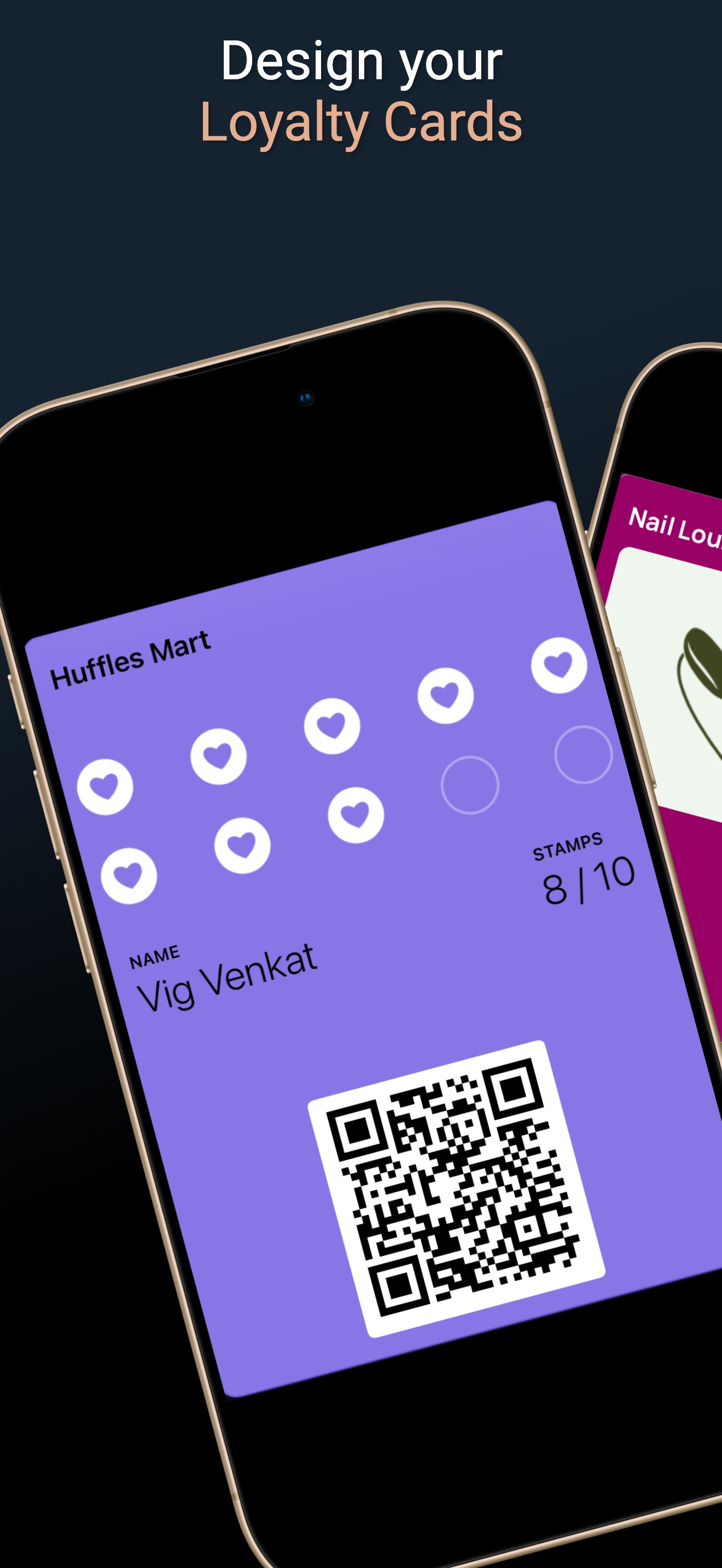
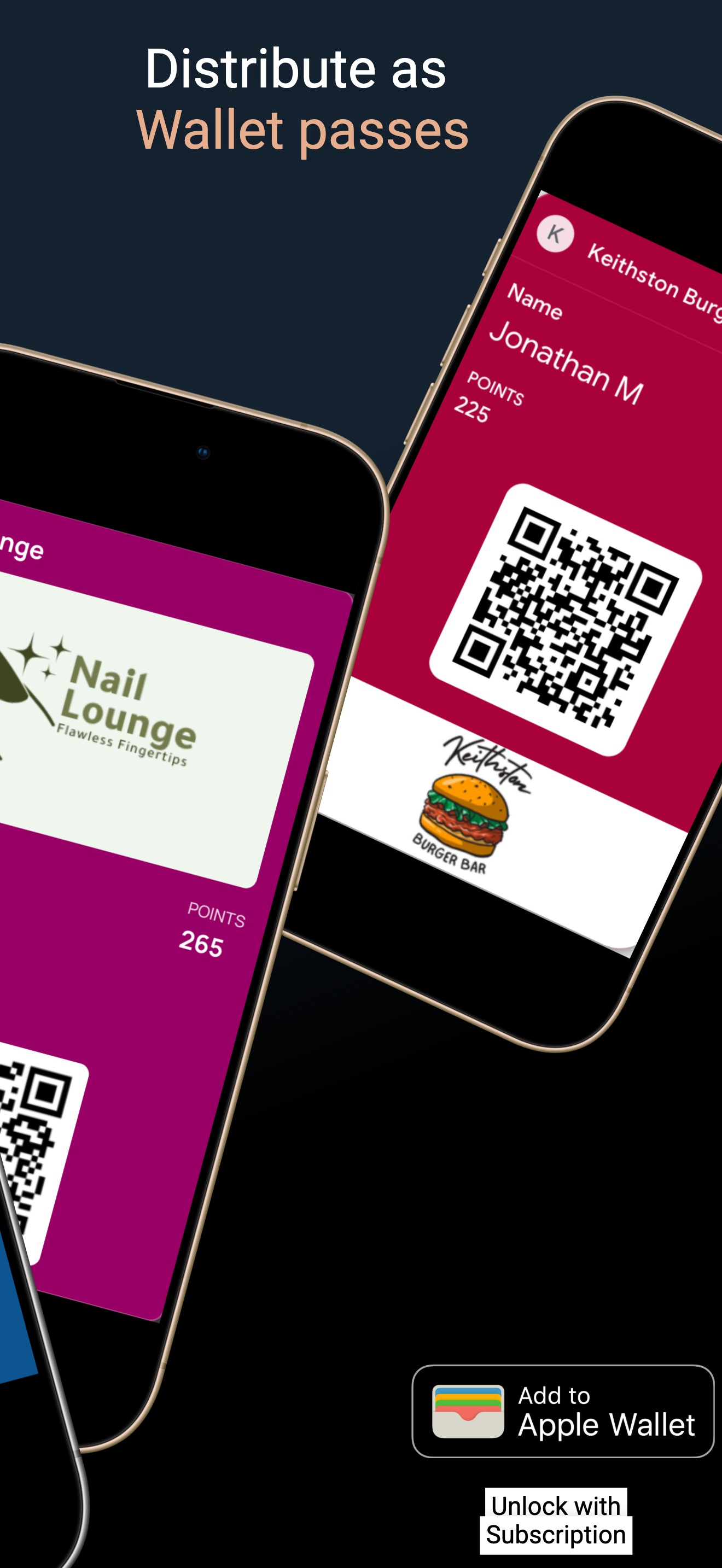
Loyal Customer runs your stamp card or points program from your phone for $12/month. Customers join with one QR scan and keep your branded card in Apple or Google Wallet — so they never forget it.
- ブランド仕様のデジタルロイヤルティカードを数分でデザイン — あなたの色、ロゴ、特典で
- お客様はQRコードを1回スキャンするだけで参加し、カードをApple/Google Walletに追加
- 来店のたびにスタンプとポイントがカード上で自動更新